Big Sagebrush (Artemisia tridentata) is a predominant shrub of the West and an important plant for both wildlife and Native peoples. It provids a protective habitat for elk and other wildlife when giving birth. Certain specimens of the big sagebrush species provide female elk with an oil essential for to the birthing process.
There are three subspecies of big sagebrush each with their unique benefits for wildlife and chemical qualities which make them important traditional medicinal plants.
According to Navajo geobotanist Arnold Clifford, the leaves of Big Sagebrush are boiled to use as an inhalant or drank as a tea to treat colds. It can be used as a dye plant giving a greenish-grey color. It is also very good as a food for sheep and goats, imparting a unique sage flavor to the meat.
Bundles of another species of sage are burned as a smug used as a blessing and an effective fumigant to disinfect your environment.
A subspecies of big sagebrush known as tree sage grows in pure blow sand, which is a deep sand dune. Tree sage was used by the Western Shoshone to make dresses from wide strips of its bark. While gathering some of this bark, John Mionczynski discusses this unique plant and its habitat.
Harvesting big sagebrush occurs once a year in the late spring/early summer. Darrah Goggles speaks of the importance of being spiritually rooted for this gathering. Plants are treated with respect and harvested through cuttings, leaving the roots intact. Only take what is needed and respect the spirit of each plant. All plants have spirit and should be treated accordingly.
You may also be interested in:
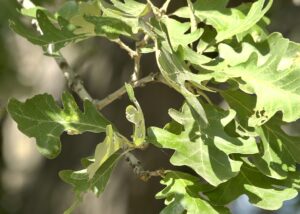
Burr Oak This species played a central role in many tribal cultures throughout North America
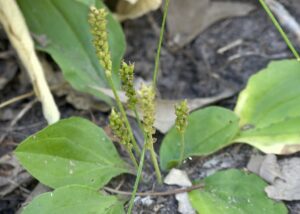
Broadleaf Plantain Leaves make an amazing poultice for wounds, especially slow-healing burns. The fresh leaves are simply…
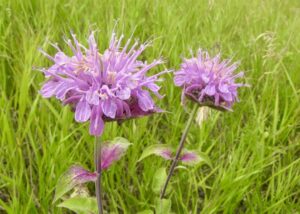
Bee Balm Monarda is its Latin name but also one of its common names especially when sold…
Covid-19 Plant Medicines Many Native plant medicines have known antiviral or anti-inflammatory benefits which many be helpful in…
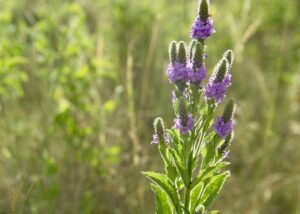
Blue Vervain Whether for autistic excitability or just for the out-of-sorts feeling we all get sometimes, a…
Canadian Goldenrod A perfect example of ‘food as medicine’ Goldenrod is a food plant with colorful tasty…