Buffalo – Iinnii Days

2026-02-05T21:59:43+00:00

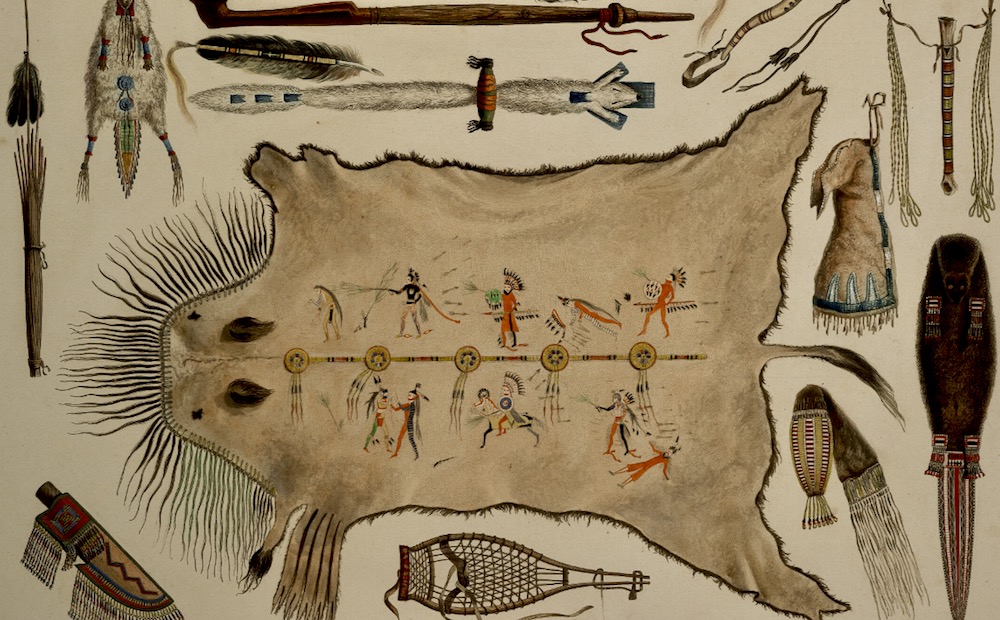
As part of the Native Memory Project’s documentation of the Wind River Tribal Buffalo Initiative, regional coordinator Darrah Goggles (Blackfeet) extended NMP’s outreach to include recording the similarities between buffalo harvesting on the Blackfeet and Wind River Reservations. The American buffalo (bison) was essential to Indigenous Plains nations. Providing food, shelter, clothing and tools, the buffalo served as a cornerstone for life. It was revered as a sacred relative and spiritual guide.

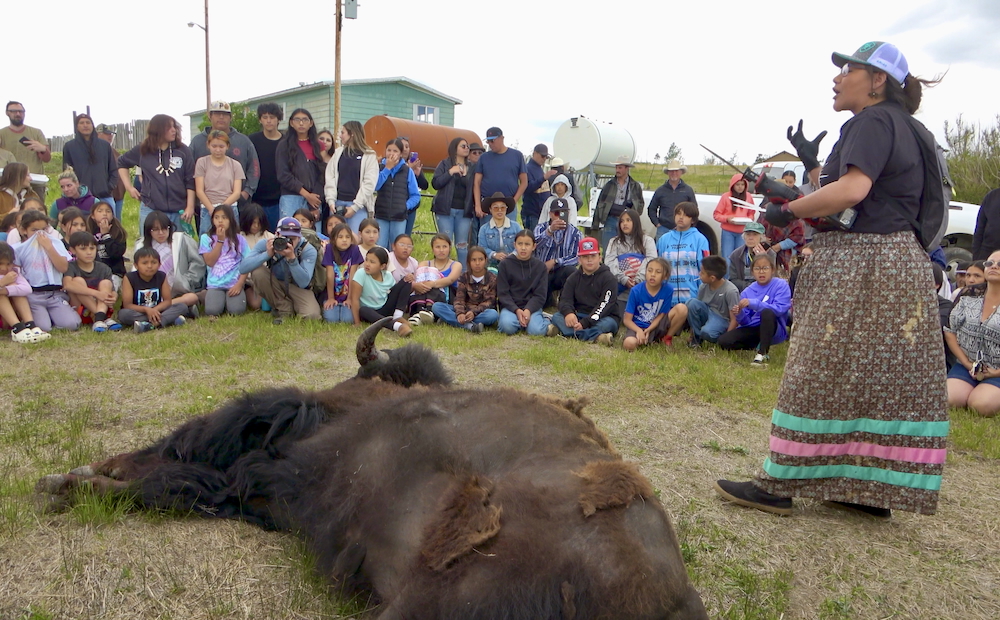
Harvesting a buffalo begins with a blessing that honors and pays respect to the buffalo, their spirit, and their sacrifice for the good of the tribe. Here, Patrick Black Plume of the Kainai-Blood Tribe performs the Hunter’s Blessing.

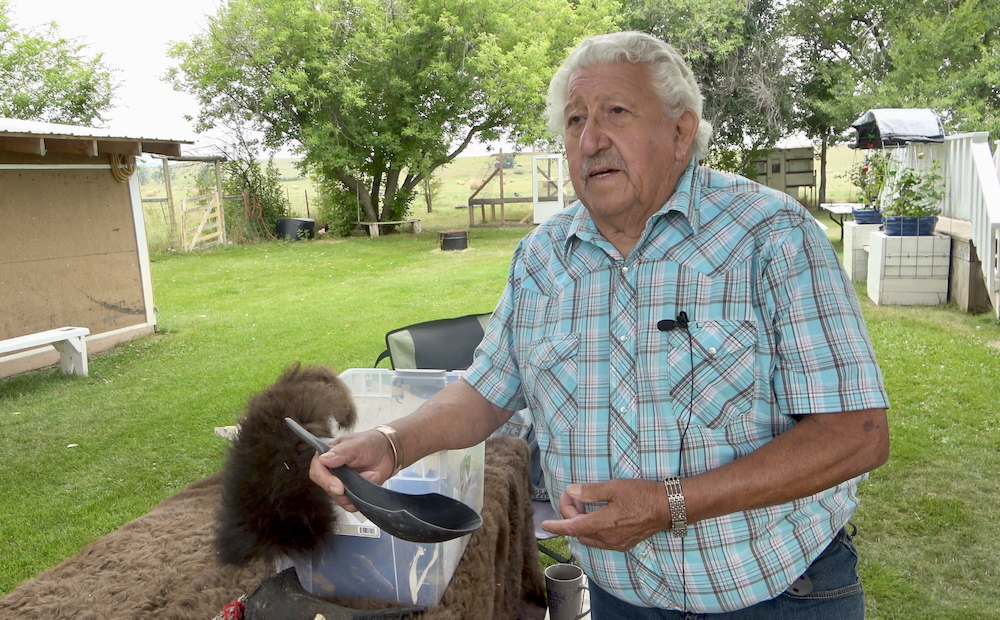
William Big Bull of the Blackfeet Nation Pikuni tells how the fetus of an unborn buffalo calf provided a unique way of storing meat.
For the Blackfeet, an important part of Iinnii Days is honoring buffalo for the key role they played in the tribe’s survival. An art show is one way in which tribal members, especially their youth, are encouraged to think about the critical relationship between the Blackfeet and their buffalo herd. Artists are asked to create works which reflect and celebrate this important connection.
Buffalo – Iinnii Days2026-02-05T21:59:43+00:00

Buffalo – Hunting Methods

2026-02-06T05:19:57+00:00

The symbiotic relationship of Indigenous Americans with the bison evolved over thousands of years. The buffalo were not only their primary source of sustenance but also treated as a spiritual guide and relative.

Ancient hunters adapted different methods to hunt buffalo over time. Many involved procuring one animal at a time while others sought to trap multiple animals. One way to secure many animals was to drive them over a cliff – known as a buffalo jump. Holy men would draw the herd near the cliff. They were then stampeded, and the injured animals were then slaughtered.

Once horses were introduced, buffalo jumps became less common. Hunting on horseback became the primary way of securing this vital food source.

Buffalo – Hunting Methods2026-02-06T05:19:57+00:00

Buffalo – Many Uses

2026-02-06T05:23:57+00:00

Buffalo trunks are popular teaching tools, illustrating the strong connections of buffalo to Plains tribes. This form of hands-on learning allows users to appreciate how intertwined these magnificent animals were with peoples’ daily lives. Northern Cheyenne historian and tribal member, Linwood Tall Bull (Ho’neh’eso or Young Wolf) explains the trunk’s contents which were created by his son, Randall James Tall Bull (H’aest’ohena’hane or Many Kills).

Tall Bull shares stories of Buffalo Jumps and their connection to the Little People. The Cheyenne respected these beings, cleaning up the kill sites after processing the buffalo at the foot of the jump. He tells of his grandmother harvesting the last buffalo on their lands, providing meat for the elderly that camped near their home. As he is telling these stories, Tall Bull is always being mindful, understanding that the spirits of his ancestors are listening.

NMP board member Patti Baldes was born on the Big Pine Paiute Reservation in California and raised on the Wind River Reservation in Wyoming. An enrolled member of the Northern Arapaho, of Northern Paiute descent, Patti works with the Wind River Tribal Buffalo Tribal Initiative to reawaken buffalo memory in communities and K-12 schools. Here, she demonstrates how to make a children’s toy from a buffalo hoof.

Buffalo hooves had many different uses.  They could, for example, be made into ladies’ buffalo hoof bags, or boiled down to provide the base for a protein rich soup, or to make a strong household glue.

Darlene Johnston remembers the art of making dried buffalo meat as one of the many skills her parents taught her when growing up on the Wind River Reservation. To prevent fresh meat from spoiling during the hot summer months, it would be cut into thin strips, draped over a pole, then turned over throughout the day, exposing both sides to the air and hastening the drying process.  Similar techniques are still used today.

Patti Baldes explains how parts of a buffalo were traditionally used. Everyday items included cups, bowls, and spoons. No part went to waste. Patti shares the ancient connection she has with buffalo, a bond that makes her feel part of something greater than herself. She believes that traditional knowledge can inspire younger generations –  that the reintroduction of buffalo plays an important role in revitalizing tribal and community identity.

The first bison for the Wind River Reservation’s Buffalo Initiative came to Wyoming in 2016. Currently, the herd numbers around 220, with both the Eastern Shoshone and Northern Arapaho herds growing stronger in numbers.

Buffalo – Many Uses2026-02-06T05:23:57+00:00

Buffalo – Roundup

2026-02-06T05:31:51+00:00

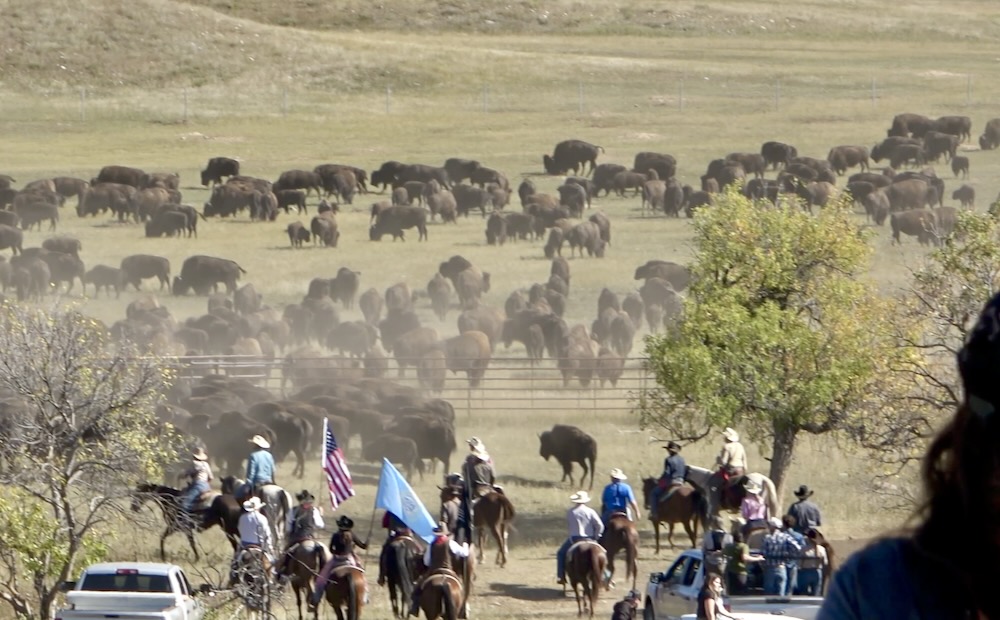
Custer State Park rangers manage 1400 bison to protect 71,000 acres of enclosed park land. Herd size is limited to provide a sustainable habitat. In the 1960s, Custer State Park became brucellosis free, which meant that the Park could start selling their excess buffalo to other refugees or ranches through auction. Since these grasslands can only support about 1000 buffalo through the winter, 400 hundred animals are now sold annually.

During this annual roundup, buffalo are gathered into corrals where they are tested, given shots and selected for the fall auction. This has become a well-attended public event. Parking begins before the sun even begins to shine in the morning sky. Lights from the cars can be seen arriving early to get good seats. Around nine a.m. the Governor rides in and gives his official blessing. Many families gather to witness and support this event, enjoying a meal of buffalo brisket together. Lydia Austin, Custer State Park Visitor Services Coordinator, shares the story and history of the park and its inhabitants with a wide range of visitors.

Lydia Austin says the buffalo are part of the park family and recognized as the species that helps the grasslands thrive. Being a part of the renewal of the North America Buffalo is a point of pride for all of Custer State Park employees.

Custer State Park is just one part of this buffalo restoration. The story of this herd begins with two white cattlemen, married to Indian women, working in the industry that ‘replaced’ the buffalo, who ended up helping  ‘save’ the buffalo. And it all started with the capture of 5 buffalo calves in 1883.

In 1914 South Dakota bought 36 head of buffalo from the estate of Scotty Philip and placed them in the newly established Custer State Park. This herd is considered one of the five crucial ‘founding herds’ from which nearly all the 500,000 buffalo today are descended. Of these herds only the Yellowstone bison remained wild – from the few dozen that survived hidden away in the remote Pelican Valley.

The other herds were the result of ranchers who captured a few buffalo in the 1880’s as the species was being hunted into extinction. The harsh winters of that decade devastated cattle herds, but the wild bison survived the harshest storms. Most of these cattlemen were motivated by the idea of a cold-hardy livestock which they hoped to establish by cross breeding cattle and bison. But a couple of these ranchers were conservationists before their time. The origins of the Custer State Park herd are from two such men.

At the time of ‘Scotty’ Philip’s death in 1911 his herd, which numbered between 900-1000 buffalo, was the largest in the world.  With no takers for the whole lot, they were dispersed to various parks, refugees and ranches. Custer State Park’s original 36 buffalo came from this herd.

Philip was a cattle rancher running over 20,000 head. His affinity towards buffalo was most likely due to the influence of his Lakota wife, Sally. He bought his first buffalo from the man who started this herd, Frederick Dupree, when Dupree passed away in 1898.

Dupree was born in 1818 in Quebec, Canada. By 1838 he had found his way to Fort Pierre where he worked in the buffalo pelt trade. By 1855 he was establishing himself in the next big thing – raising cattle. As Dupree’s herd grew, so did his family. He raised 10 children with his wife, Mary Ann Good Elk Woman, who came from a Central Lakota Sioux people known as the Miniconjou.

The Dupree’s prospered. Their main camp grew with small log houses built as each of their children married. The property was dotted with a dozen or more tipis housing Mary’s relatives. The 1887 marriage of their daughter Marcella to a ‘non-Indian’ who was related to the governor of the Illinois Territory was reported in a Pierre newspaper as a major social event of the year. Fred’s wedding gift to the newlyweds was 500 cattle and 50 ponies.

Dupree had lived through the demise of the buffalo and had actively participated in it. Perhaps realizing the buffaloes’ rapid path towards extinction, in 1883 Dupree and some of his sons went out on the prairie to capture some. They returned with five buffalo calves. These grew into the 80 head herd that Philip bought in 1898 and that became the origins of the Custer State Park herd.

Buffalo – Roundup2026-02-06T05:31:51+00:00

Buffalo – Shoshone Harvest

2026-02-09T22:01:20+00:00

The revered and reciprocal relationship between the Shoshone and their Buffalo is evidenced in the way these huge and powerful animals were used in sacred ceremonies such as the Sun Dance. Respect and gratitude guided all aspects of the harvesting and butchering, starting with prayers and offerings of tobacco.

Buffalo provided food, clothing, and shelter – no part went to waste. Stomachs and bladders were made into cooking pots or other vessels, scrotums into rattles. Highly valued organ meats were consumed for their nutrition and medicinal properties. Equally important, buffalo taught people how to live. Jason Baldes, Director of the Wind River Tribal Buffalo Initiative, describes the herd gathering around to mourn the loss of a fallen member. Jason likens their herd dynamics to elephants when acknowledging their deceased. The buffalo are respectfully given this time as all honor the animal which has given its life to feed the Shoshone people.

Every effort is made not to stress or injure the animal in killing it. Jason describes the different cuts of meat and organs used. From tallow to bone broth, ribs turned into skis, arrowheads and knives, all parts of the buffalo were used. Buffalo sinew made an incredibly strong thread. Fat was rendered to preserve and bind together meat and berries in making pemmican. The visceral fat surrounding the kidneys – full of nutrients, rich in flavor with a high melting point – was particularly favored for this use. Back fat is another fat that is well suited as a food preservative and often used in this manner.

While historical photographs often show a solitary woman beginning the butchering process, the reality was often very different from these artificially posed images. Butchering a buffalo was hard work and the community was invited to gather and participate.

Today the Wind River Tribal Buffalo Initiative celebrates their ability to reconnect with this magnificent creature to receive its many gifts after an absence of over 130 years. Once again, with grace and prayer, the buffalo is providing for her people.

Buffalo – Shoshone Harvest2026-02-09T22:01:20+00:00

Protecting Golden Eagles

2025-02-07T23:53:01+00:00

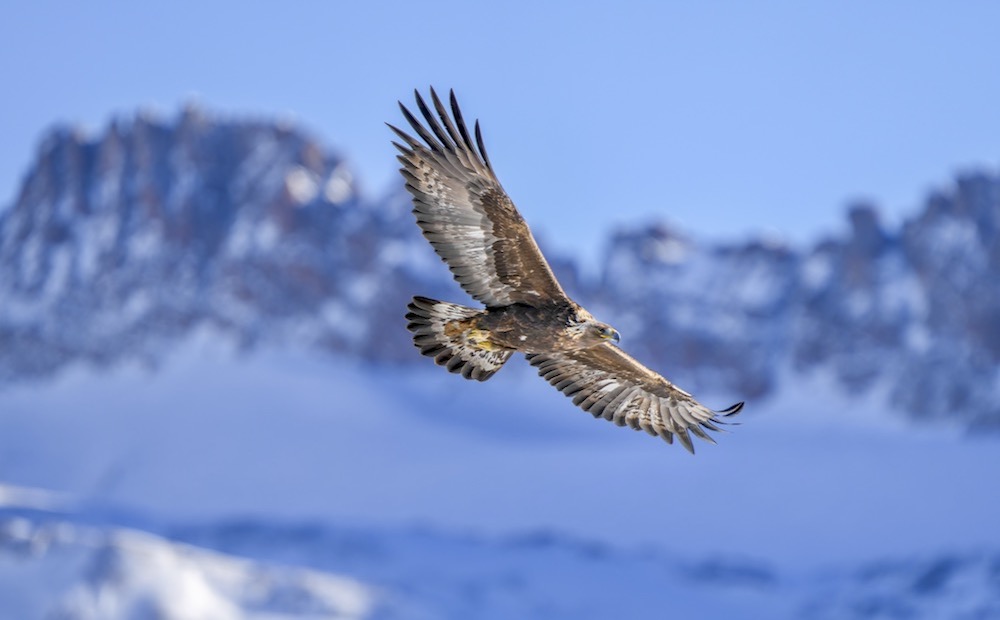
Eagle feathers & bones are used in Native American religious and cultural ceremonies, particularly in Sun Dances, sweat lodges and in the pipe fast. This need was the first step in a journey by Steve Weber – who maintains an indigenous purification lodge brought to his property 30 years ago. A lodge for people of all color skin.
In the spring of 1995, Steve was approached in a ceremonial manner through the customary means of being offered tobacco. His brother Chuck had just finished his 4-year training and been given the rights to run lodge ceremony. A native elder, George Moving Cloud, was also involved in discussions about establishing a lodge on Steve’s property. After thoughtful deliberation, Steve agreed.
Weber states, “This Lodge was established under Sun Dance and pipe fast protocols and methodologies of the Natokas & Latokas. We have rules to follow.”
Weber made a commitment to Sun Dance that summer. The need for an eagle bone whistle and a set of wing tips posed a problem. Finding the eagle parts necessary for Sun Dance and pipe fast ceremonies became a pressing need not just for Weber but for tribal members. Eagles not from the Federal Eagle Repository (known as ‘clean eagles’) were needed. Prayer and visions combined with counsel from neighboring tribes established their path. Strict religious protocols and procedures were established and followed successfully.
As Weber and other spiritual aspirants began collecting golden eagle carcasses, they meticulously documented their finds and became a repository of this knowledge. Their natural instincts and spiritual visions told them to look in the wintering grounds where they would expect to find some deceased eagles. But soon they began to uncover the many man-made perils which are endangering these majestic creatures.
As it turned out, the eagles weren’t the only ones in peril. Steve Weber is part of the Menominee tribe of Wisconsin, but not an enrolled member. Without having a tribal affiliation, he was ineligible to receive eagle components from the US Fish & Wildlife Repository. This made his collecting illegal. Eventually authorities arrived and Weber was charged with illegal possession. He mounted a defense of religious freedom and continued his ceremonies and collection efforts. Weber’s case was eventually dismissed.
In resolving the case, several ills were addressed. Power companies were ordered to provide avian protection to prevent the electrocution of birds by unprotected power lines. The Wyoming State Highway Department hastened to quickly clean up roadkill in an effort to protect scavenging eagles. Weber was named to head a commission to establish the procedures by which eagle bodies could be collected for ceremonial use. And diverse communities were brought together with the common goal of protecting golden eagle populations.

As Weber became familiar with the golden eagles, he had the good fortune to be able to nurse a young eagle back to health. His interaction with this live companion is told in the following video.

Weber describes how the lawsuit resulted in clear guidelines for collecting golden eagle parts for ceremonial use.

How the eagles should be collected, the ceremonies and prayers involved and even where to locate eagle carcasses came through consultations with various tribal elders, prayers and visions. These are described in this video.

This lawsuit is examined in this video

Protecting Golden Eagles2025-02-07T23:53:01+00:00

Buffalo – Gift from the Creator

2025-12-17T05:16:41+00:00

For the Crow, buffalo was one of the greatest gifts of the Creator. Providing everything that was needed for food and shelter, it symbolized how closely their people lived in harmony with the natural world. The buffalo, said Grant “is everything to us”. But above all, it was a potent source of energy; people who had buffalo energy were virtually invincible. “Our shadows,” he says, “became weak when the buffalo were gone”.

Buffalo – Gift from the Creator2025-12-17T05:16:41+00:00

Buffalo – Conservation Herd

2025-12-17T05:18:12+00:00

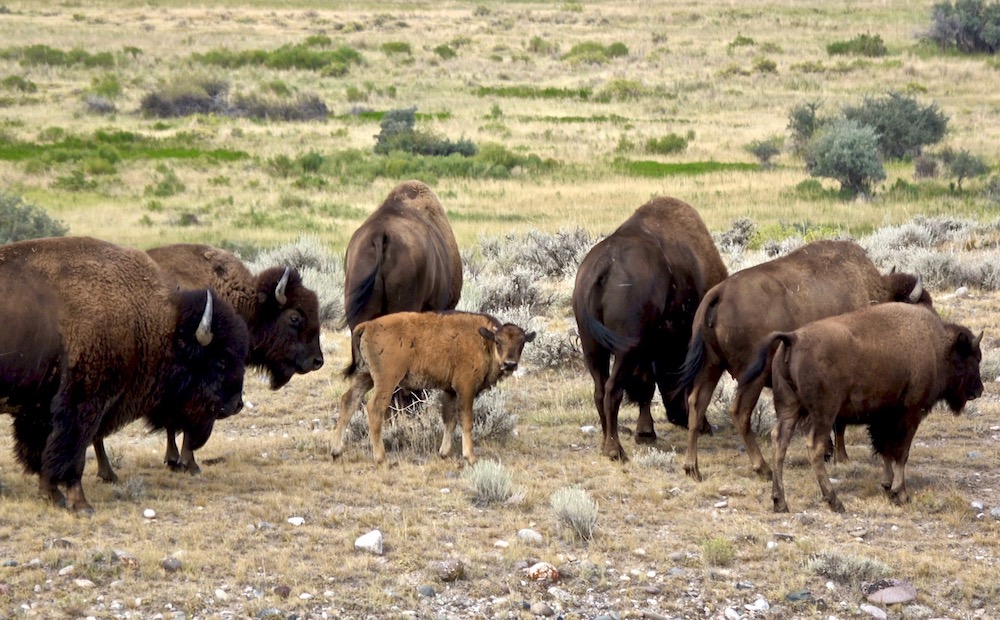
Jason Baldes is the National Wildlife Federation’s Tribal Partnerships Program Tribal Buffalo Program Manager for the Eastern Shoshone Tribe. In 2016 he brought 10 pure certified disease-free Bison to the Wind River Reservation. In 2017 he helped bring 10 more from the National Bison Range in Montana and in 2019 a tribe-to-tribe agreement brought 4 bulls to the Wind River Reservation’s Shoshone Buffalo Restoration Program. The area started at 300 acres with the goal of one day managing buffalo on a large scale. By 1885 there were no more buffalo for the plains to provide for the tribes. With buffalo gone for over 131 years, the American Indian Religious Freedom Act is the driving force for Buffalo Restoration, connecting elders to youth and providing a cultural belief system though buffalo conservation. “We are not only helping the land, we are healing ourselves through buffalo.” – Jason Baldes

Buffalo – Conservation Herd2025-12-17T05:18:12+00:00

Bighorn Sheep Declining Populations

2021-07-07T05:53:50+00:00

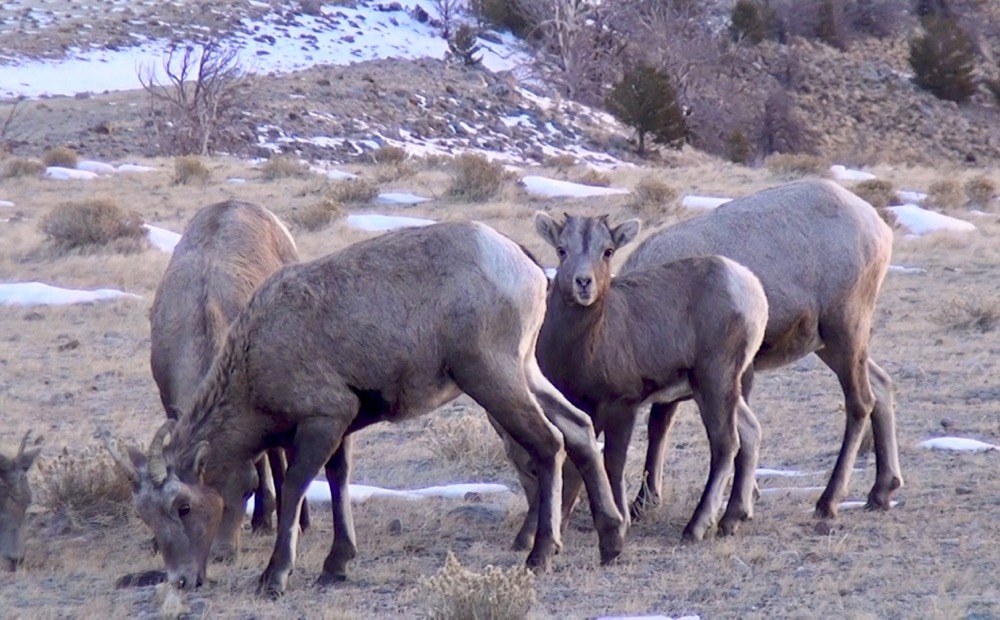
A die off of the Whiskey Mountain bighorn sheep herd in northwest Wyoming resulted in the death of about one third of its entire population.  This was followed by a seven-year period of dangerously low lamb survival.  In 1998 the Wyoming Game and Fish Department hired John Mionczynski to determine what was responsible for this reproductive decline. Conducting long-term field studies with the herd, Mionczynski observed that the ewes were returning to lower altitude mineral licks on a regular basis, leaving the lambs exposed to higher rates of predation. The ewes’ behavior combined with the apparent development of nutritional muscular dystrophy among the surviving lambs lead to the discovery of critically low selenium in the alpine forage plants these sheep relied on for food.

Selenium is an essential mineral nutrient necessary for muscle growth, as well as maintaining both body temperature and a functional immune system. Wyoming Game and Fish biologist Pat Hnilicka and Mionczynski hypothesized that this selenium deficiency was a key factor in understanding the decline of this herd. Consequently, Mionczynski sampled 22 other bighorn herds in the US and Canada and found the problem to be widespread wherever wild sheep lived on granitic or basaltic soils.

Bighorn Sheep Declining Populations2021-07-07T05:53:50+00:00
Go to Top