Anise Hyssop

2024-02-03T00:26:14+00:00

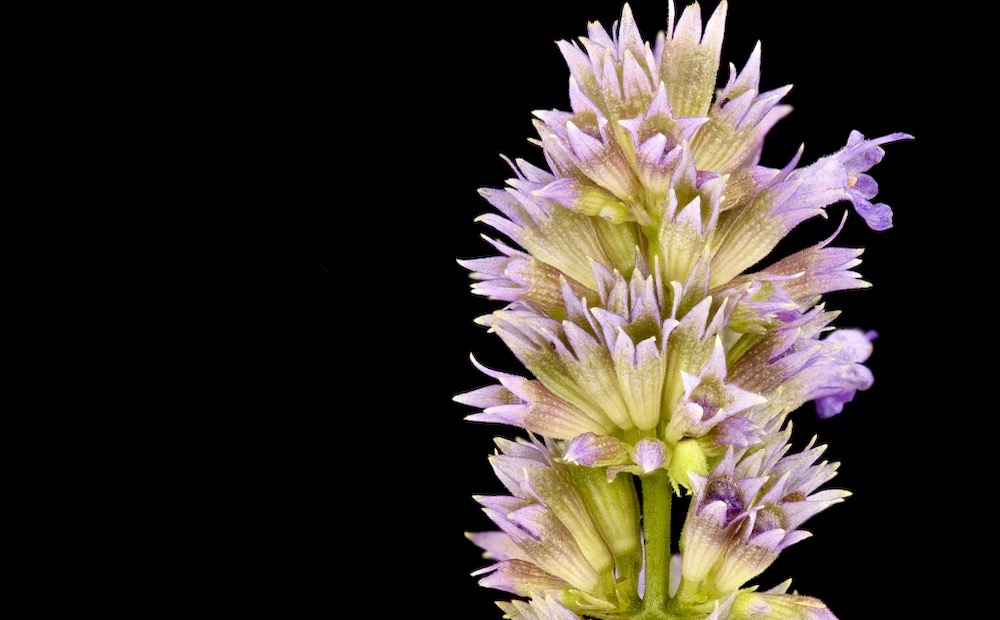
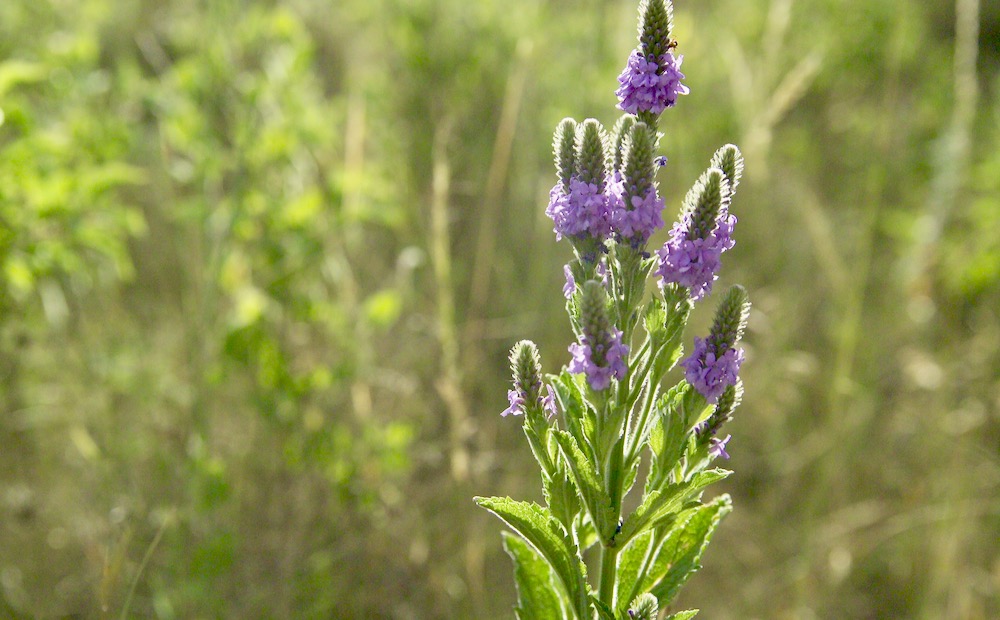
This pretty perennial plant is often grown in pots or planted around the house as an attractive wildflower. Anise Hyssop, as the name implies has a nice anise flavor with a minty freshness used as a mouth freshener but is also used internally to improve circulation, break up lung congestion, and strengthen the lungs. For this reason, it has been used in tea mixtures for Covid infections.

A fun leaf to chew on as you hike in the prairies of the Midwest, or through the meadows of the Rocky Mountains. The Lakota name, Wah-pe ah-tapee means ‘the leaf you chew on.’
Anise Hyssop2024-02-03T00:26:14+00:00

Canadian Goldenrod

2024-02-02T23:21:35+00:00

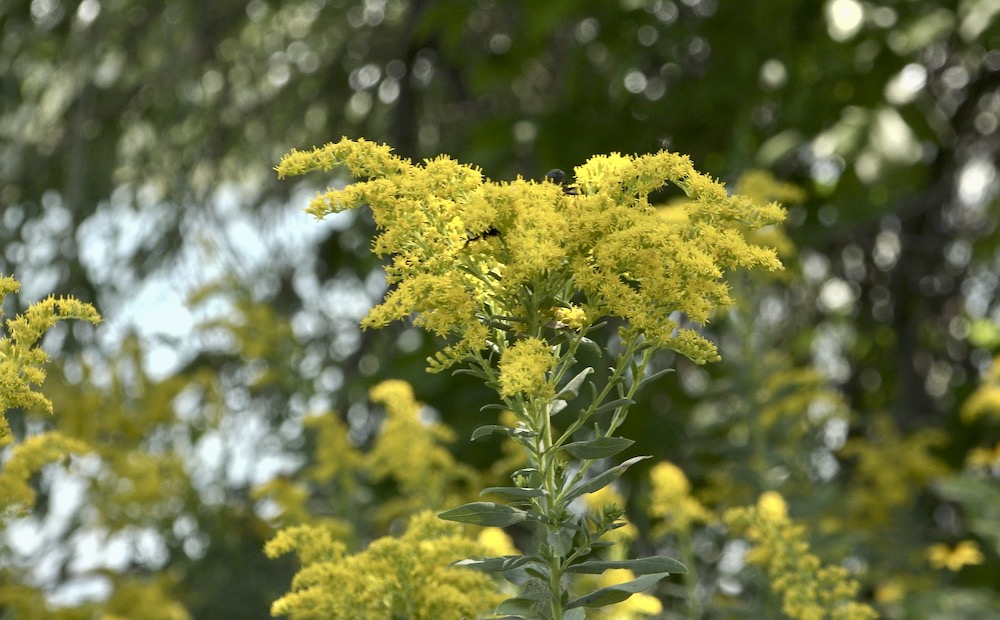
A perfect example of ‘food as medicine’ Goldenrod is a food plant with colorful tasty flowerheads which provide decongestant, antibacterial, as well as antihistamine effects.

Linda Black Elk tells us how to harvest Canadian Goldenrod in full bloom, when it is fresh, at peak potency and make an ancient medicinal remedy called oxymel with vinegar and honey to preserve the medicines in the plant for winter. An excellent treatment for the lung congestion associated with Flu or Sars-Covid infections.  Used for infections, inflammation, allergic reactions, and even beer brewing in place of hops.  A truly versatile food/medicine!

Canadian Goldenrod2024-02-02T23:21:35+00:00

Blue Vervain

2024-02-02T23:13:31+00:00

A plant that delivers a calming, centering effect to adults as well as children. Linda Black Elk very comprehensively describes the effects of tea made of the entire above ground parts of Blue Vervain from personal experience. Whether for autistic excitability or just for the out-of-sorts feeling we all get sometimes, Linda spells out the calming influence this plant exerts on us.

Linda also helps us identify this species which looks like it may be in the mint family (Lamiaceae) due to its opposite leaves but actually is in its own family – Verbenaceae.

Blue Vervain2024-02-02T23:13:31+00:00

Covid-19 Plant Medicines

2025-01-23T22:07:03+00:00

With the onset of the covid-19 pandemic many people began looking into foods and herbal medicines that have known antiviral benefits. There are many readily available antivirals such as seafoods rich in zinc, which is essential for immune system proteins; Echinacea, an herb with clinically studied antiviral affects; Elderberry extracts used to reduce fever and inhibit functioning of protein pikes on viral bodies, and Vitamin C from fruits and berries or supplements.

Traditional ethnobotanist, Linda Black Elk, gives a very comprehensive examination of Lakota/Dakota plant medicines she uses for covid-19 infection. She stresses the importance of the powerful anti-inflammatory species: wormwood, goldenrod, yarrow, gumweed, and stinging nettle, as well as the healing influence of yarrow as a secondary benefit and details the specific effects of each plant medicine on the body.

She also describes the more general antiviral remedy called “fire cider” made of a mixture of pungent, hot, spicy ingredients in apple cider vinegar, which can also be taken with the covid remedy.

In the video below ethnobotanist John Mionczynski introduces 5 traditional native plants that are less well known outside reservations, but reasonable additions to any natural antiviral regimen especially targeting the covid sars virus. He explains the rationale behind the use of each of these Native American medicine plants as they apply to SARS-CoV-2.

These presentations are for general information regarding Native American medicines. You should visit a qualified medical professional when illness strikes and always consult your doctor before taking any plant medicines, as they may react with other medications.

An additional word about gumweed.

Native wisdom includes the knowledge that some medicine plants are only medicinal under certain conditions. Such is the case with gumweed (Grindelia squarrosa). It is only fully effective as a medicine when it is in full bloom, and it must be growing in the proper soil for nutrients. Sedimentary soil like limestone derived soils or desert badland alluvial fans (eroded washouts from clay or sand hills) usually contain mineral concentrations much greater that granite or basaltic soils. So, this plant is more potent in low valley or even desert locations than higher mountainous terrain.

In the mineral rich soils of the low country, gumweed can be such a potent medicine that its selenium content makes it poisonous to animals and people, so dosage becomes very important. In a good location any more that 3 leaves of Grindelia squarrosa can cause mild selenium poisoning!

It is always best to seek the advice of someone who knows these plants well before attempting to use them.

Covid-19 Plant Medicines2025-01-23T22:07:03+00:00

Burr Oak

2024-01-25T00:33:48+00:00

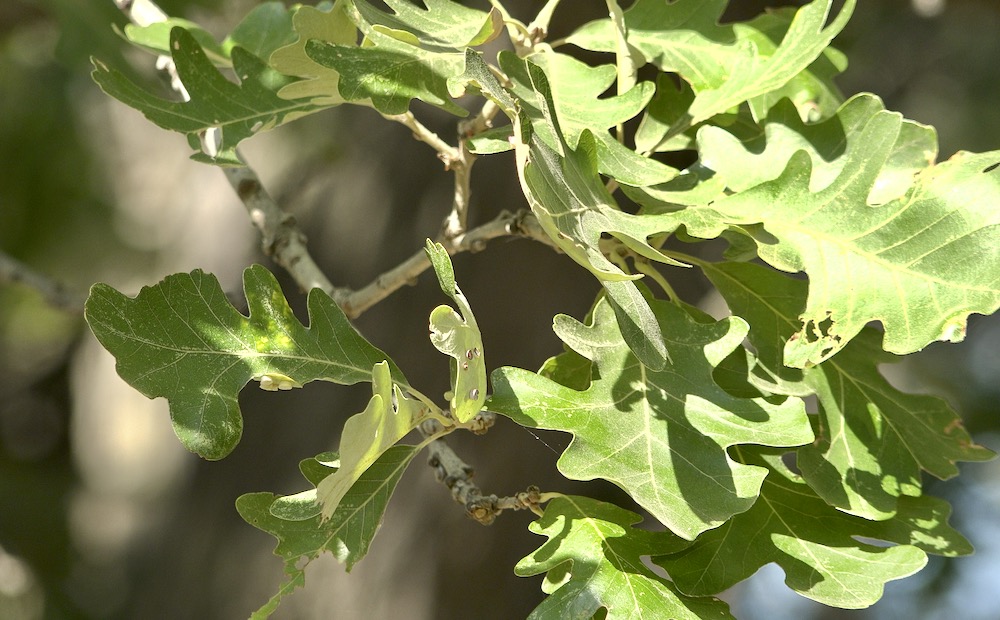
Linda Black Elk discusses Burr Oak, a principal food source for the seven council fires (Lakota, Dakota, Nakota) as well as Ojibwe and other tribes. The acorns of this species provide an abundant source of protein and carbohydrates within its edible seed. Although it can be eaten raw, acorns are usually boiled and leached and then roasted to make acorn mush.  This can be eaten like porridge with maple syrup (also a local native food), or as a component of other dishes. Cobbler, pesto, salads, and stews could include this versatile and tasty ingredient and the ground nuts were made into flour for baked goods.

As a staple food these acorns have many health benefits as a prebiotic for gut health and as a stabilizer of blood sugar.

The acorns, as well as the bark and to a lesser extent the leaves are astringents with a high tannin content which makes them medicinal for poison ivy and other rashes and burns. They can be brooded into a tea to take internally for diarrhea.

This species played a central role in many tribal cultures throughout North America.

Burr Oak2024-01-25T00:33:48+00:00

Evening Primrose

2024-01-25T00:33:12+00:00

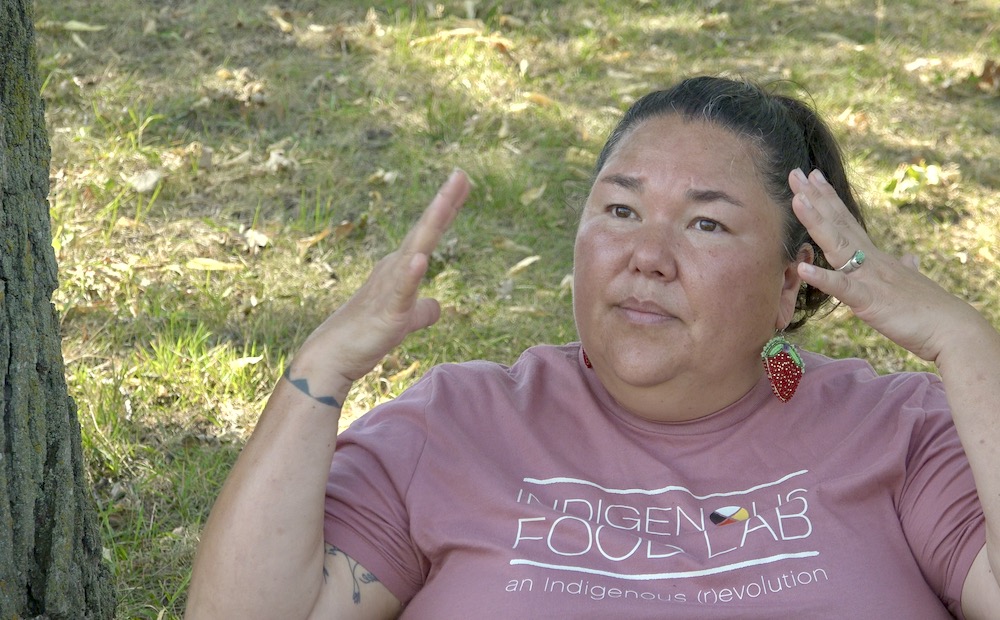
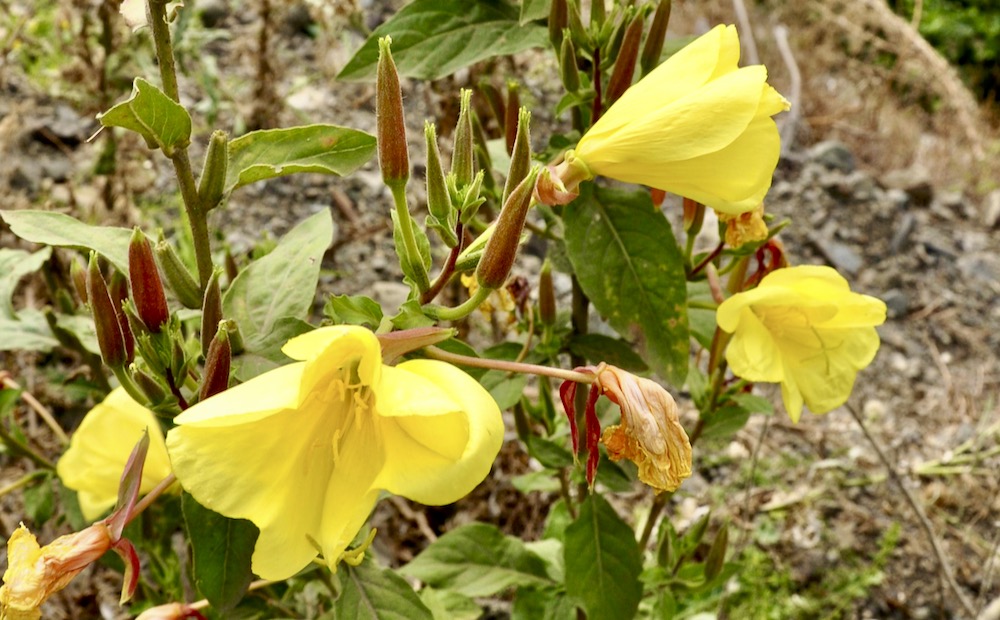
A plant medicine used to improve circulation and as Linda Black Elk tells us is also a good food with tasty flower buds, leaves, and flowers. Even the root is savored for its starchy flavor.

Linda mentions that evening primrose oil is sold as a supplement. This supplement is often called EPO when sold in pharmacies or supermarkets. This oil contains gama linolenic acid (GLA) which helps the body produce a transfer hormone useful in treating many ailments from osteoporosis & psoriasis to certain forms of depression. But a word of caution is needed. It also stimulates hormone production and can produce negative side effects if taken 8 days before a menstrual period.

Evening Primrose2024-01-25T00:33:12+00:00

Heartleaf four o’clock

2024-01-25T00:26:40+00:00

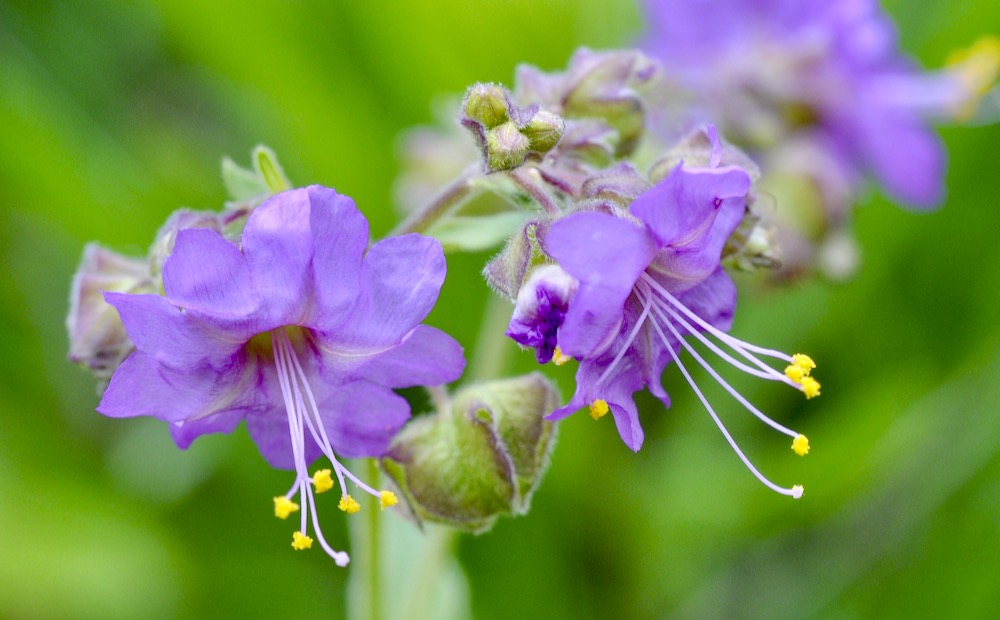
The Lakota name for Mirabilis means “plant to treat swelling.”  And that’s exactly what it is used for. A simple poultice of the crushed plant can be applied to bumps, bruises, hangnails, even broken bones to speed up healing and take down swelling.

Linda Black Elk shows us it’s identifying characteristics of pretty purple flowers, opposite leaves (like the mint family), and round stems (unlike the mint family).

You don’t want to eat this pretty little plant!

Heartleaf four o’clock2024-01-25T00:26:40+00:00

Cancer Plant Medicines

2024-01-24T01:09:19+00:00

This video lays out the basic elements of one theory of cancer therapy using natural therapeutics. There are other approaches as cancer is a complex manifestation involving a wide variety of initiating factors, such as altered physiology, metabolic deficiencies, genetics, and xenobiotic influences such as environmental toxins.

The ethnobotanical approach spelled out in detail here uses traditional plant medicines to bolster the human body’s own immune response to abnormal cell growth by providing the raw materials – minerals, peptides, antioxidants – often missing in adequate quantities from modern civilized diets.

Story tellers (the oral historians of most indigenous cultures) tell of a time when people lived close to the land with their ancient traditional knowledge, when people did not get cancer, or many of the other illnesses common today.

The belief that the diet and lifeways of many ancient cultures provided for a naturally healthy population free of most common ailments (other than injuries) is becoming more popular today among modern practitioners of Natural Therapeutics. It is this belief system that John Mioncyznski draws upon – with specific examples – in this presentation.

This presentation is for general information regarding Native American medicines. You should visit a qualified medical professional when illness strikes and always consult your doctor before taking any plant medicines, as they may react with other medications.

Cancer Plant Medicines2024-01-24T01:09:19+00:00

Bitterroot

2023-11-30T18:15:04+00:00

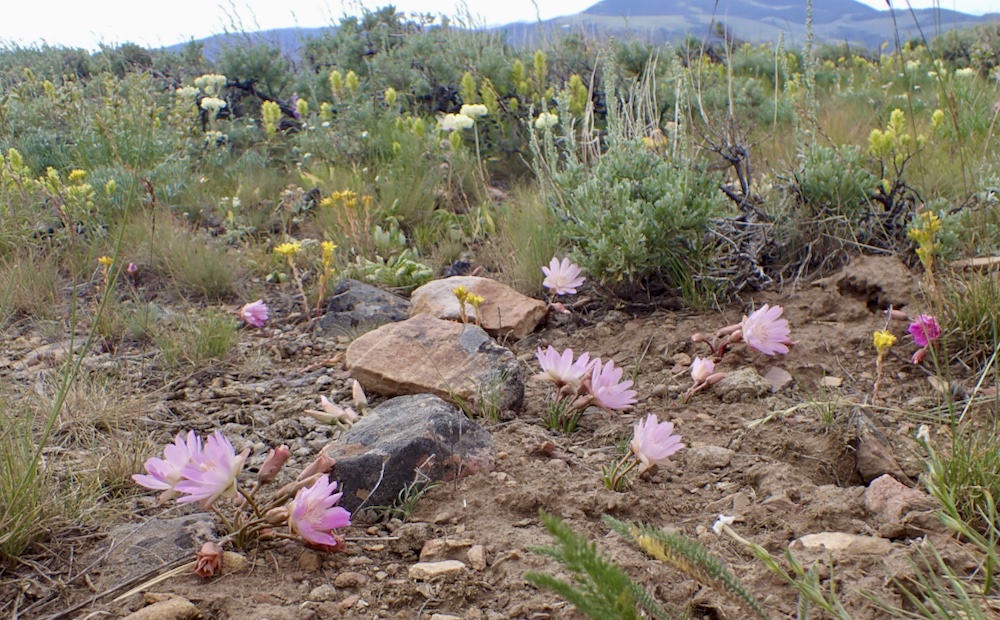
Bitterroot is harvested in spring and preserved for use as a winter pudding. The distinctive pink flower can be used on wounds to keep them from getting infected. It can be mixed with back fat or simply chewed and activated by saliva. A tea made from the stem can promote memory – especially after a head injury.

The plant was used extensively by the Crow but is amongst those that, according to Grant, are increasingly harder to find.

Bitterroot2023-11-30T18:15:04+00:00
Go to Top