Yampah

2023-10-17T00:05:44+00:00

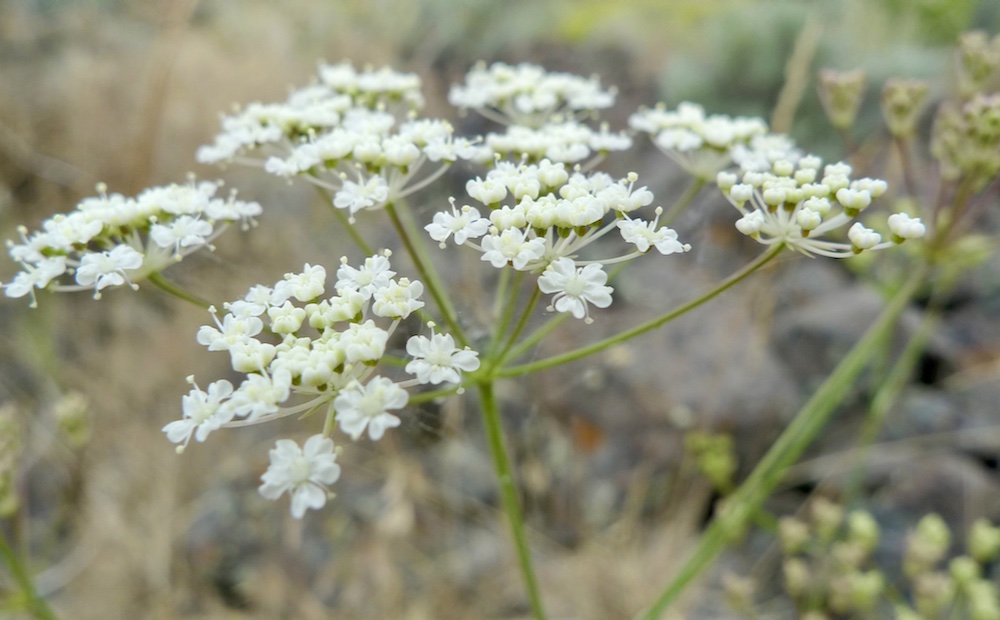
First reported outside Indian country by Lewis and Clark, yampah is a small wild carrot. Usually eaten raw as opposed to being preserved, It could also be mixed with ‘wild rhubarb” to make a kind of pudding. A favorite of bears, especially grizzly bears, it is common throughout the Greater Yellowstone Region.
Yampah2023-10-17T00:05:44+00:00

Great Basin Wild Rye

2024-01-24T00:55:15+00:00

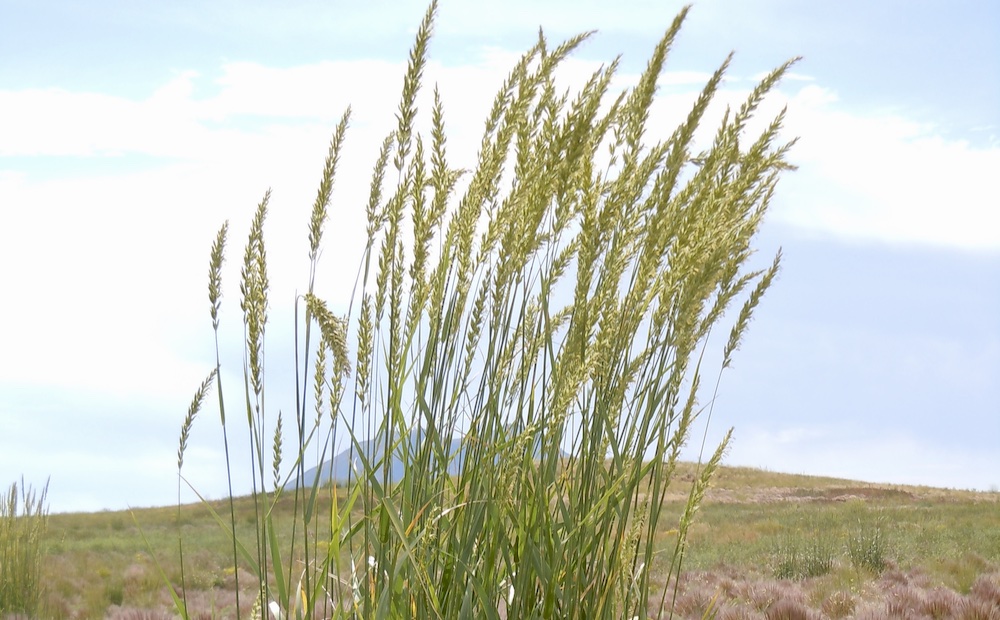
Buffalo Grass or púppau, is the Crow name for great basin wild rye which is also known as giant wild rye. As Grant Bulltail explains, this grass has numerous uses for both animals and people. Birds and small animals make nests and homes out of it. The Crow made children’s toys, mats for the tipi and even fly-swatters.

Great Basin Wild Rye2024-01-24T00:55:15+00:00

Monkey Flower

2024-01-24T00:56:12+00:00

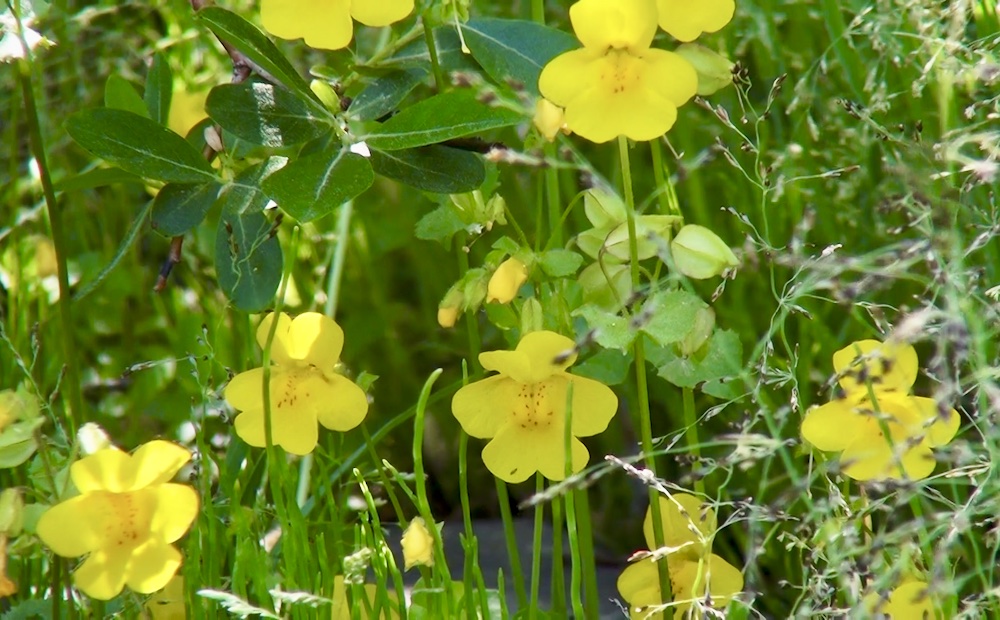
These lively flowers are found around mountain springs. They can be used as a preservative and their flowers eaten for a healthy liver. When used for the latter, monkey flower is particularly beneficial for people who are sluggish – or not mentally alert.

In the Crow Tobacco Ceremony monkey flower is mixed with moss and chokecherry flowers to form a compost for the tobacco seeds. Grant Bulltail sings one of the Crow songs about this plant, known to them as baauhpàshiile. The plant blooms at the same time the tobacco plant does and is kept in a sacred bundle.

Monkey Flower2024-01-24T00:56:12+00:00

Creeping Juniper

2023-10-16T23:38:05+00:00

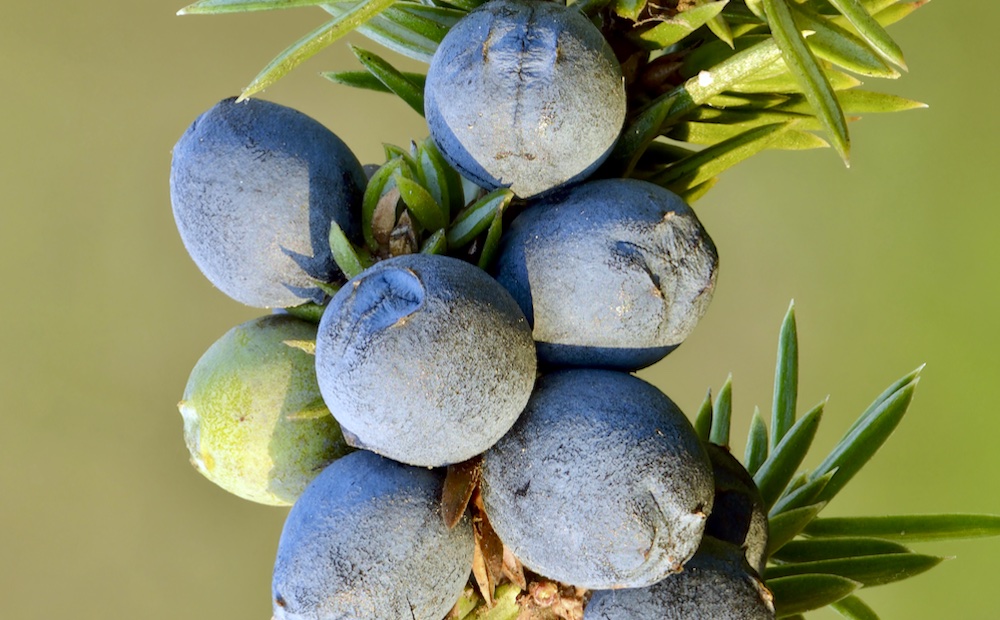
Creeping juniper is another plant that the Crow utilize in various ways. It can be used to ward off insects, or – as an incense – to make the tipi smell good. In spiritual practice, it is made into a crown for women to wear in the Sacred Tobacco Ceremony, where it is also placed on the altar.

Creeping juniper promotes the health of everything, even plants and trees. As an anti-congestion agent, it is burned for respiratory health. It can also be used to ward off evil spirits.

Creeping Juniper2023-10-16T23:38:05+00:00

Bluebunch Wheatgrass

2024-01-24T00:57:04+00:00

Animals as well as people often need a spring tonic, and for the Crow, wheatgrass is the answer.

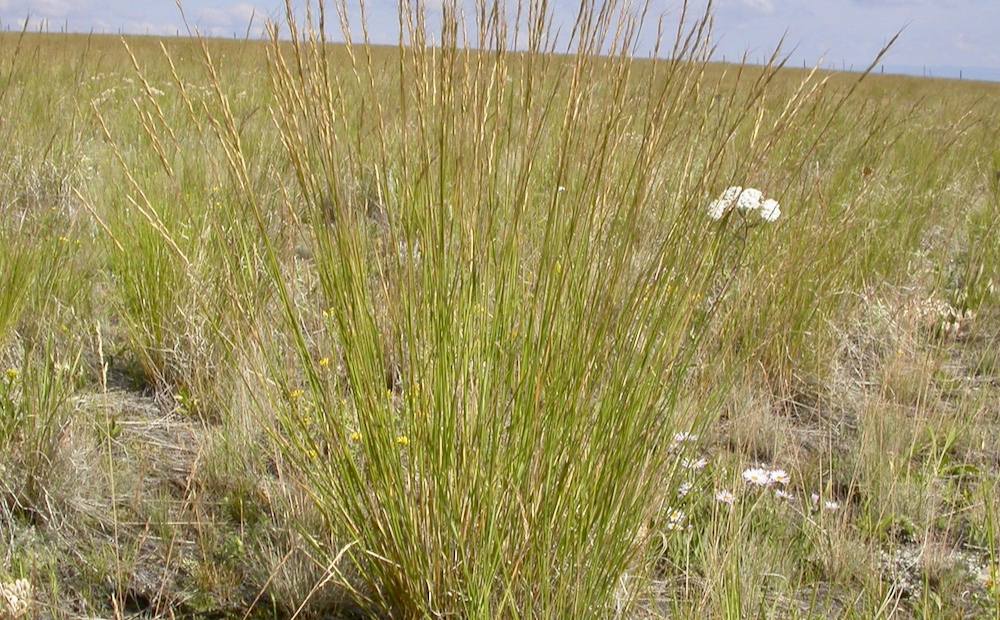
The dominant species of grass in the mountainous West, bluebunch wheatgrass is drought resistant with an extensive root system and grows in many habitats.

Picked after the ‘first thunder,’ wheatgrass – like the thunder – releases a lot of energy, promoting new growth after the sluggish days of winter hibernation. (Harvested at this time, wheatgrass can also remove warts!) The Crow were always aware of the type of energy that surrounded them, and knew that everything in nature had a use. As the thunder cleared the atmosphere, wheat grass cleared out the stomach and promised invigorating energy for the days ahead.

Bluebunch Wheatgrass2024-01-24T00:57:04+00:00

Willow, Coyote & Red Willow

2022-09-06T05:02:16+00:00

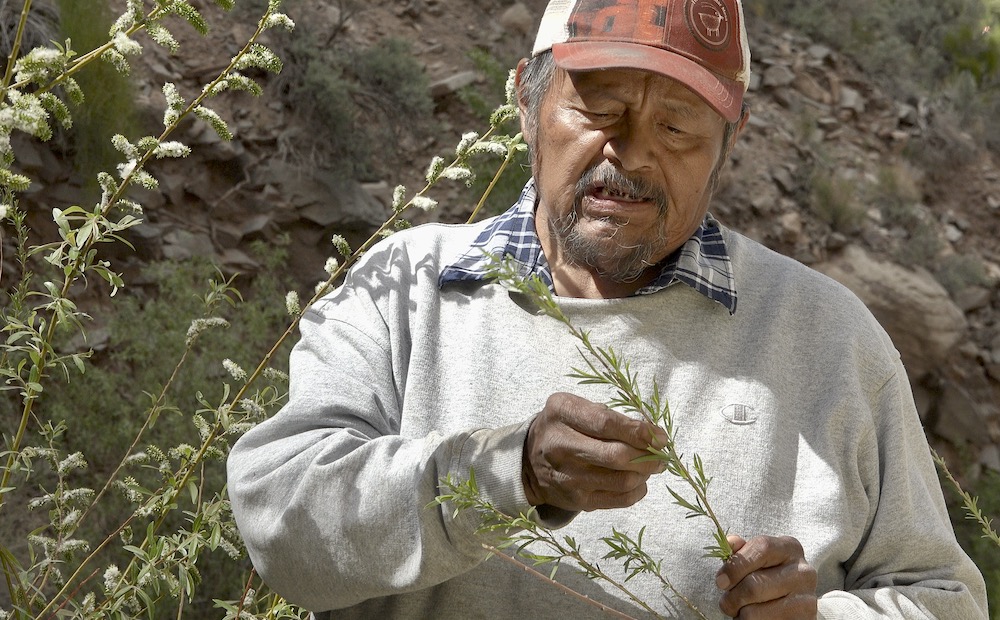
Willows are a widely distributed deciduous shrub found primarily in riparian zones. They are part of the genus Salix. Willows have many traditional uses among Native Americans. The flexible branches are used as building material, smaller twigs & bark are utilized in basket making, and the bark & leaves have medicinal properties.

A traditional medicine for over 3500 years, willow bark was used to relieve pain and reduce fever. In more modern times, the active ingredient was discovered and named salicin, which was soon refined into salicylic acid and compounded into the new miracle drug – aspirin.

Among the Navajo, very specific species of Salix are used for ceremonial purposes.

Willow, Coyote & Red Willow2022-09-06T05:02:16+00:00

Firecracker Penstemon

2022-09-06T04:55:51+00:00

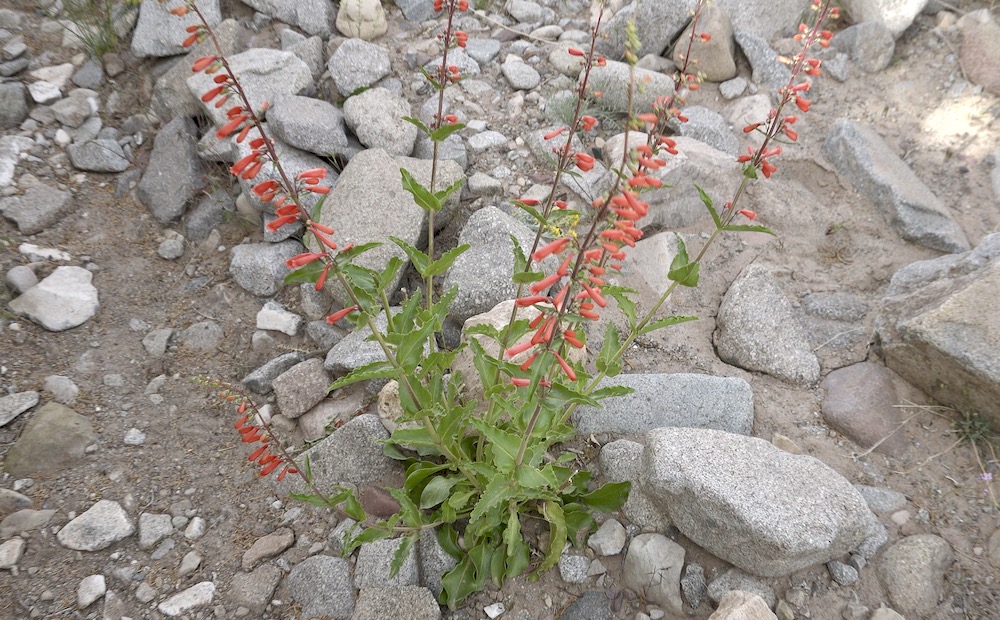
Penstemon is the largest genus of flowering plants in North America. The common name beardtongue is inspired by the appearance of the flower – which looks like an open mouth with a fuzzy tongue protruding.

The Navajo use a poultice made from the leaves and applied to the back of the head as a remedy for headaches.

Firecracker Penstemon2022-09-06T04:55:51+00:00

Milkvetch

2022-09-06T04:49:36+00:00

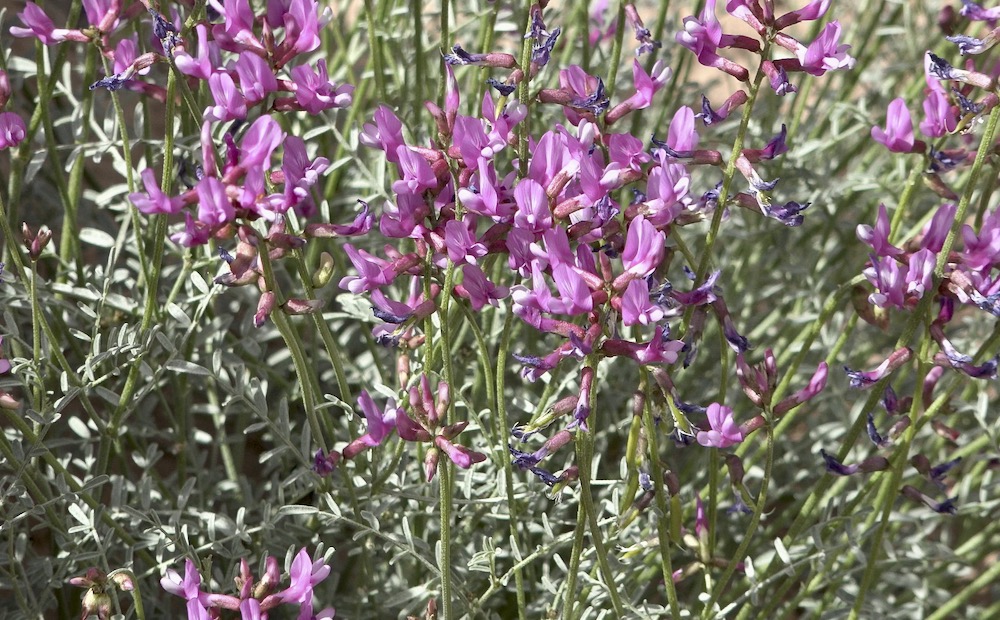
Astragalus is a large genus of plants belonging to the legume family.  Over 60 species of Astragalus are found on the Navajo reservation. Some varieties are selenium concentrators, which make them deadly for grazing animals and give them the common name of locoweed.

Milkvetch2022-09-06T04:49:36+00:00

Navajo Tea

2022-09-05T21:34:10+00:00

The genus Thelesperma is in the cosmos tribe within the sunflower family. Members of this genus are commonly used by several southwestern Native American tribes as an herbal tea. One species commonly used in Navajo tea – Thelesperma subnudum – is easily confused with similar looking plants. Unfortunately, this can have deadly consequences. Extreme care should always be used when foraging for food. Try nothing unless you are positive of its identity.

Navajo Tea2022-09-05T21:34:10+00:00

Russian Olive

2022-09-10T16:52:11+00:00

Elaeagnus angustifolia is commonly known as Russian olive. Native to central and western Asia, in North America it is widely established as an introduced species. It is invasive in many western riparian habitats where it thrives in poor soil and out-competes native vegetation. Because of this, there is an ongoing removal project on the Wind River Reservation.

Despite its status as an invader, the Russian olive shrub has many medicinal properties.

It has three special medicines – beta carboline, beta carotene and quercetin – which concentrate in different parts of the plant at different times of the year. Beta carboline is protective of the neurological tissues and improves neurological functions. The reddish colored berries can be used in medicinal tea or in food as flavoring.

This plant also contains antioxidants, potassium, calcium, chromium, Vitamin K and other important mega and trace minerals which are generally lacking in today’s American diet.

Russian Olive2022-09-10T16:52:11+00:00
Go to Top