Spring Beauty

2019-09-23T16:20:58+00:00

a.k.a. lanceleaf spring beauty

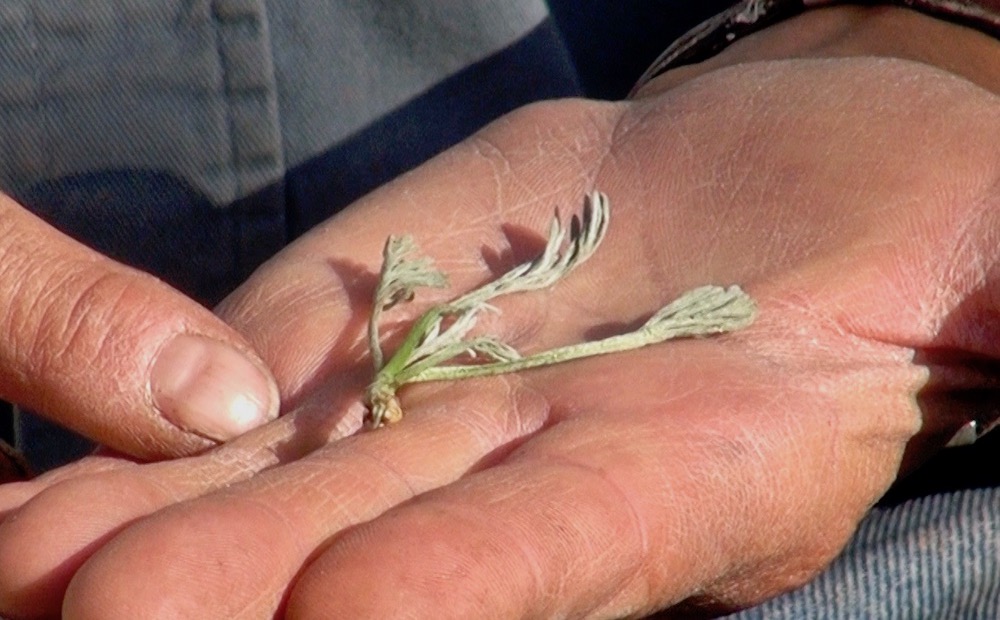
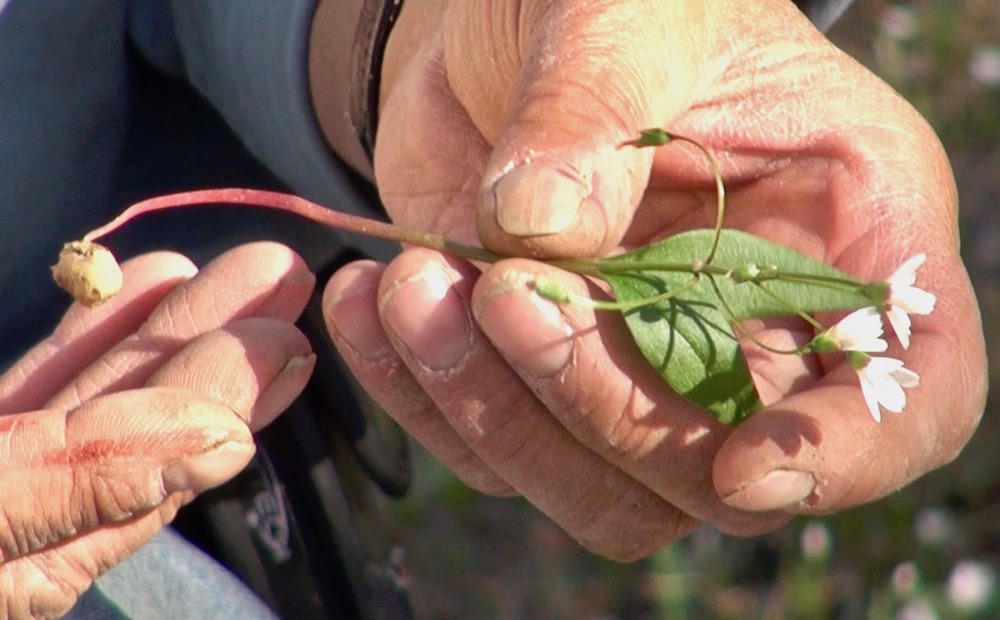
The whole plant is edible and delicious. Roots (technically corms) resemble small potatoes and can be collected in large quantities below melting spring snow drifts in the mountain zones. They are tasty fresh out of the ground or boiled like potatoes.

The leaves, stems and flowers are tender, succulent and flavorful, a bit like spinach. They can be used as a salad green or put in soups and stews as a potherb.

These pretty little plants are a wonderful treat for springtime hikers in the mountains and care should be taken to not overharvest these delectable morsels. It is only good etiquette to leave at least half of any group of these for future crops.
Spring Beauty2019-09-23T16:20:58+00:00

Elderberry

2023-10-17T22:09:31+00:00

(a.k.a. blue elderberry, elder)

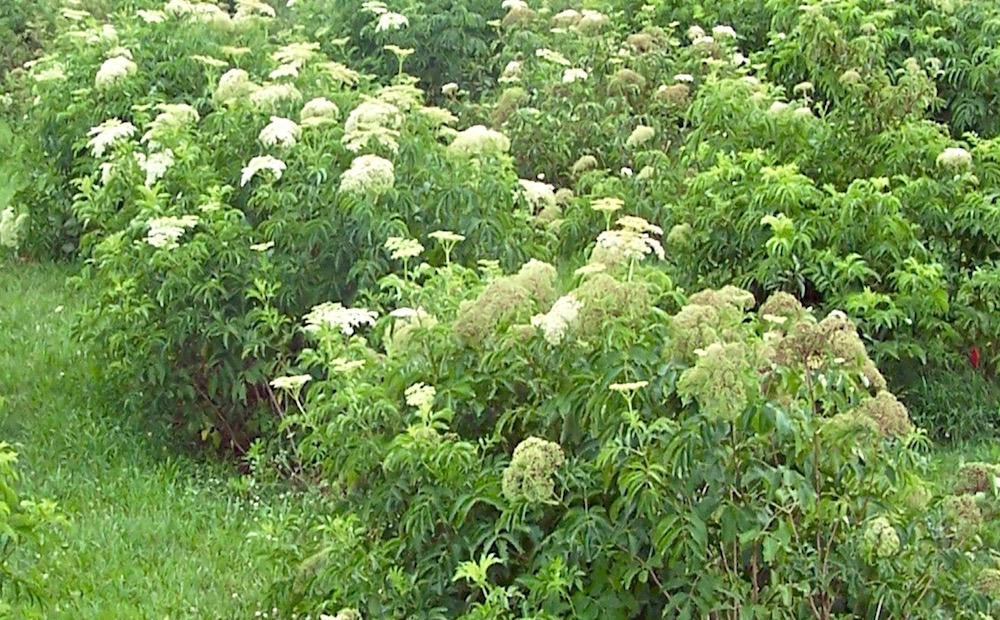
The fresh berries of the elderberry bushes were eaten, but more often the berries were collected by most indigenous peoples and dried for winter use.  They were often steamed or rehydrated in stews or simply eaten dried like raisins. The fresh or dried blossoms were also added to stews and soups as a flavoring.  Early pioneers and many people today make a fine tasting wine from blue and purple elderberries.

Medicinally the flowers were given to children directly to chew on or as a tea for fever and sore throat.  The blue and purple berries and leaves are more potent and used for the same purpose for adults. Many tribes applied the crushed stems and leaves to rheumatic/arthritic joints to relieve pain.  Some tribes used the toxic roots to induce vomiting, a part of certain healing practices.

Paiutes made a four-holed flute from the larger stems as did some other tribes.

Side note:  The red-berried forms of elderberry were considered poisonous and not used for food or medicine.  The red berries should never be consumed!

In this next video, Grant Bulltail talks with John about elderberry, known as kapíliashte to the Crow. Elderberry prefers a wet, shady habitat. It is particularly high in flavonoids.

Elderberry2023-10-17T22:09:31+00:00

Alpine Bluebell

2019-09-23T16:17:31+00:00

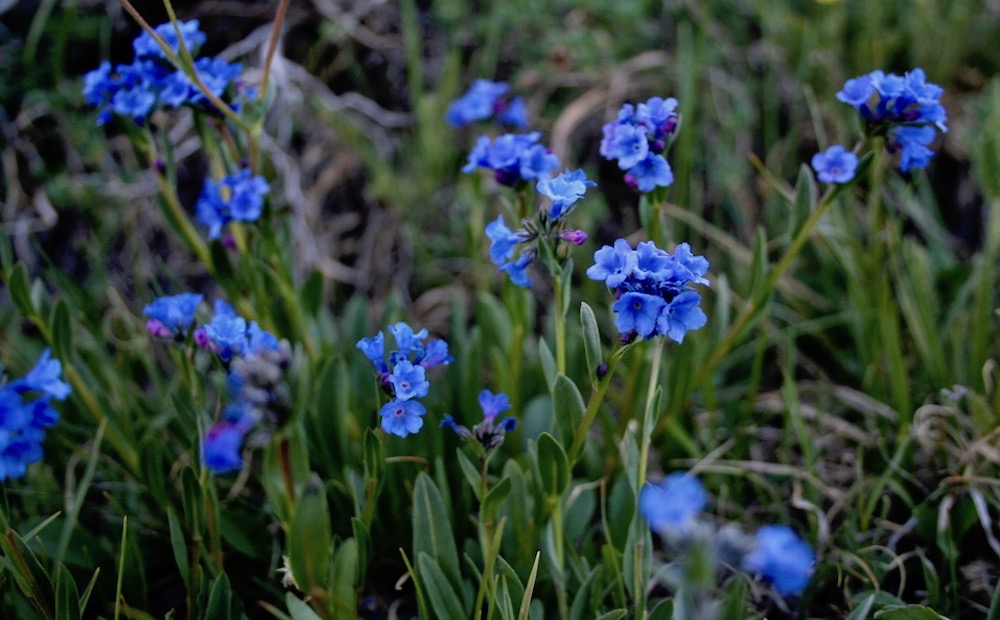
The flowers, leaves, and stems of this plant are a delicious trail food with a mild flavor of fresh green beans. Any travelers crossing the alpine meadows of the Rockies would have taken time to gather these very common dwellers in the alpine for a fresh veggie and if necessary as medicine. These plants are high in B vitamins and vitamin C.

The whole fresh plants were crushed and applied to open wounds and blisters as a coolant and to speed up the healing process. The plants in this genus contain mucopolysaccharides to stimulate “knitting” or the healing over of a wound.

Alpine Bluebell2019-09-23T16:17:31+00:00

Arctic Sage

2019-09-23T16:20:15+00:00

a.k.a. alpine sagewort

This plant has a very powerful sweet fragrance people associate with the alpine. Like many other sageworts in the genus Artemesia, it would have been rubbed on the body as protection from negative energies or spirits and as a perfume after bathing as well as being applied fresh or dried to wounds and abscesses to prevent infection and reduce swelling and pain.

A tea of the dried plants would have been taken in small quantities for stomach upset or parasites.

The sageworts in general all have terpenes that are anti-inflammatory and antimicrobial and were used to reduce pain, prevent infection, kill parasites, and shrink tumors.

Arctic Sage2019-09-23T16:20:15+00:00

American Bistort

2019-09-23T16:21:52+00:00

a.k.a. bistort

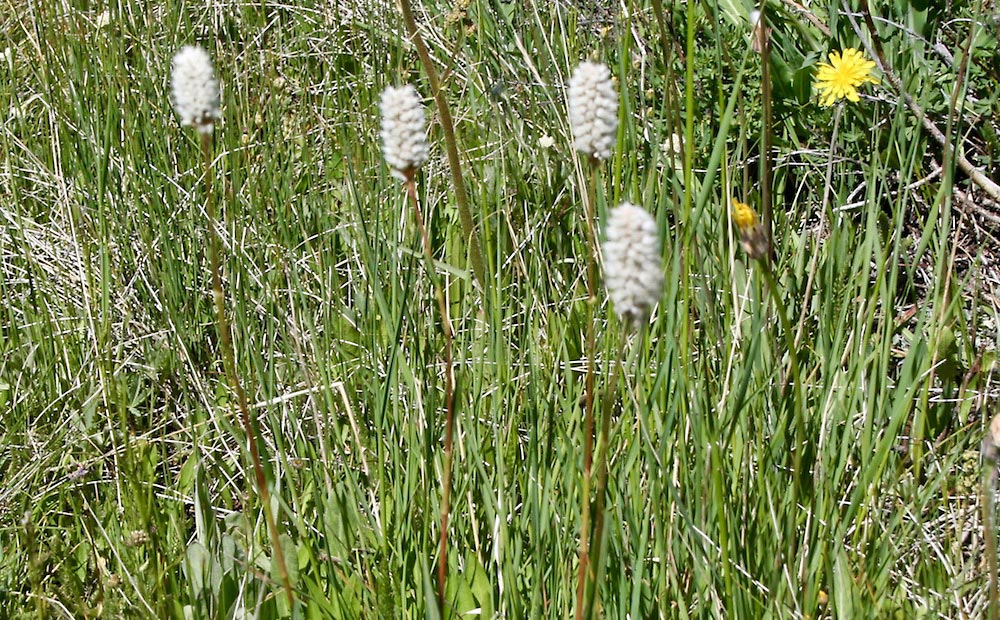
First and foremost, it was a staple food for many tribes. The root was boiled in fat or cooked with meat in stews. It has a nutlike flavor and texture. It can be eaten raw but will make you pucker due to its powerful astringency. The seeds were also a protein source that were ground and added to sauces, stews, and gravies as a thickener. The young leaves are a good potherb for springtime soups and stews.

It was used medicinally as a drawing poultice, ground into a fine powder, and applied damp to blisters, cuts, sprains, and abrasions.

The powdered root was infused in a small amount of water and taken for sore throat, sore and bleeding gums, and boils.

This plant is common in grassy meadows and tundra in all the mountain zones.

American Bistort2019-09-23T16:21:52+00:00

Five-Finger Cinquefoil

2019-09-23T16:19:25+00:00

a.k.a. five finger, cinquefoil, goosegrass

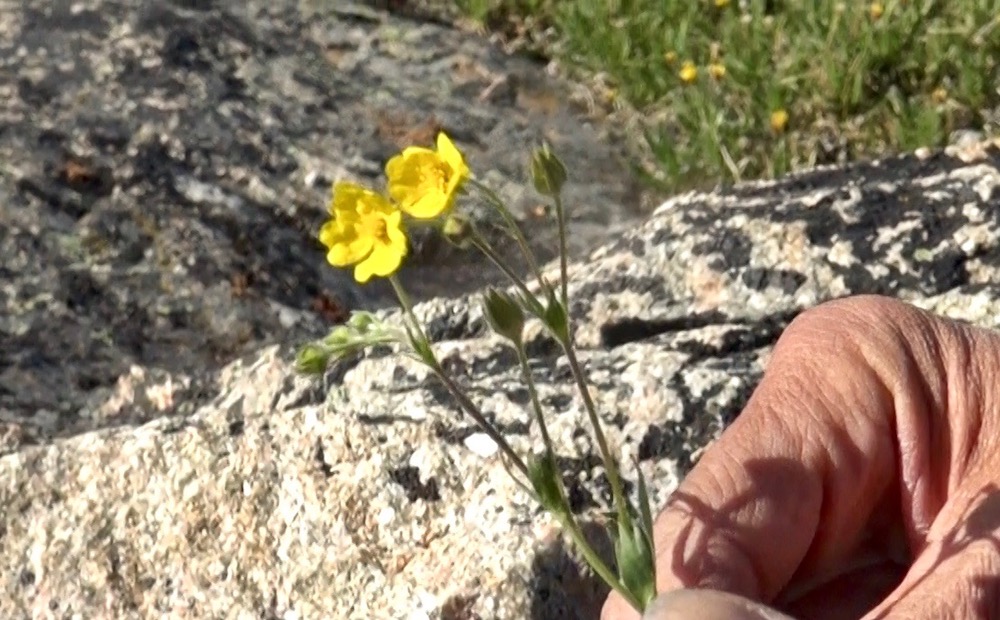
Like most other members of the rose family cinquefoils have astringent roots so they are pounded or powdered to treat open wounds and bleeding and made into tea for diarrhea and stomach upset. They are also very common in many vegetation zones from the plains to the alpine so were frequently collected and became a standard addition to medicinal plant mixtures used for nosebleeds, menstrual problems, and as a blood purifier.

The leaves, stems and flowers were taken in tea or added to food as a spring tonic, mild stimulant, to reduce fevers and to restore a feeling of well-being in cases of general malaise. Topically it was used for bruises, sores, bleeding gums, abrasions, sunburn, saddle sores, and to help heal certain skin problems probably related to fungal infections.

Modern clinical research has demonstrated that fresh plant cinquefoil water infusions inhibit lipid peroxidation, platelet aggregation, inflammatory blood enzymes, and bacterial/fungal infection, all factors that can contribute to tissue inflammation. That’s why hikers sometimes put these leaves in their boots to help prevent blistering.

Five-Finger Cinquefoil2019-09-23T16:19:25+00:00

Western Coneflower

2019-09-23T16:24:26+00:00

Related to prairie coneflower of the Great Plains, this mountain plant was used by the Crow to help with aches and pains in muscles and joints. It was referred to as “Old People’s Medicine” and reports of people of a certain age today suggest that rubbing crushed leaves or the water from boiled roots on sore muscles and painful joints can have a relieving effect.

Drinking a tea of the dried root is said to have a diuretic effect as well as a mildly stimulating effect on the heart.

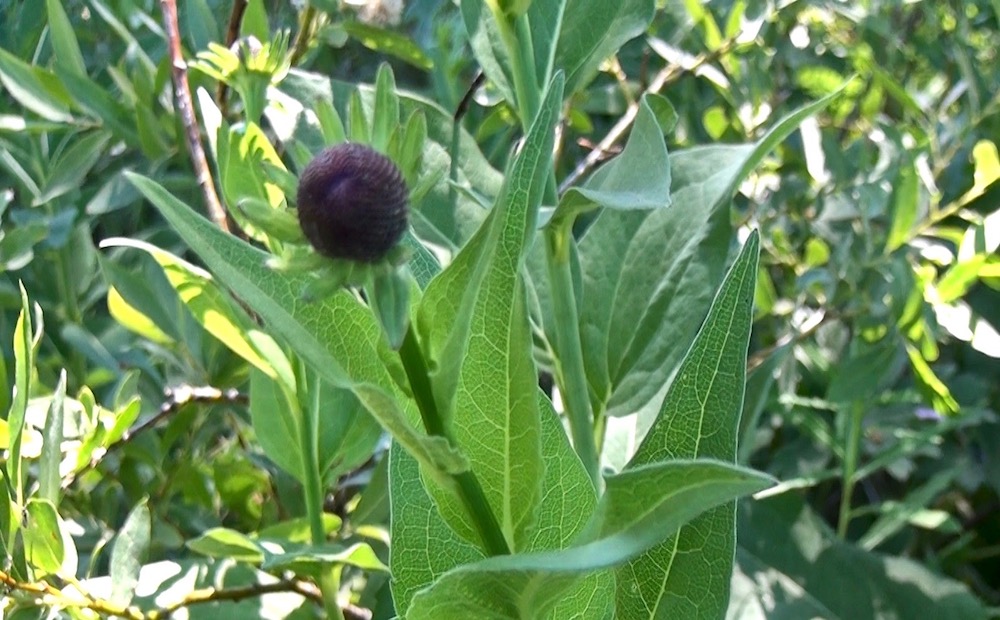
Botanically this plant is unusual in that as a plant in the Aster family, most of which have both disc flowers and ray flowers (the colored ones resembling petals around the central disc) it lacks the ray flowers retaining only an elongated central disc that is dark purple. These very attractive dark purple flower heads attract numerous pollinator insects and hummingbirds as well as small seed eating birds when the seed heads are ripe in the fall.

The Crows have a curious name for this plant. They call it “kalish iistaba”, “old lady’s belly button” … the reason is unclear.

Western Coneflower2019-09-23T16:24:26+00:00

Cow Parsnip

2019-09-23T16:29:41+00:00

(a.k.a. woolly parsnip, cow cabbage)

A very large member of the carrot family (Apiaciae) cow parsnip can grow up to seven feet tall with giant leaves and white umbel flowerheads each up to a foot across. It is totally herbaceous with no woody parts above ground. It was and still is used as food when the hollow stems are very young and tender. It is usually cooked, but sometimes eaten raw but only after the outer ‘skin’ is peeled off.

It is a notoriously powerful medicine plant used to treat nausea, indigestion, and gas; both the dried root and seeds are used in tea for this. Indigenous people generally through the Rockies also revered these roots and seeds for easing the suffering from arthritis, rheumatism, or just achy joints and muscles in the elderly. In this case the decoction (boiled dry roots or seeds) are rubbed over the area or massaged into the skin. The decoction was also used topically as well as consumed to stimulate severed or damaged nerves to grow back. In this way it is nothing short of amazing!

Naturopaths today use cow parsnip to treat trigeminal neuralgia caused by damaged nerves controlling facial muscles and for other forms of nerve damage.

Side note: The course fibrous outer layer of the plant is tough and abrasive and contains caustic chemical constituents that can irritate the skin causing photosensitivity to sunlight and severe allergic reactions in some people. Some people collect this plant wearing gloves. The flowerhead resembles other members of the carrot family including the two most poisonous of our native plants, water hemlock and poison hemlock. Caution should be used identifying these plants. Bears can consume enormous quantities of this plant without ill effects.

Cow Parsnip2019-09-23T16:29:41+00:00

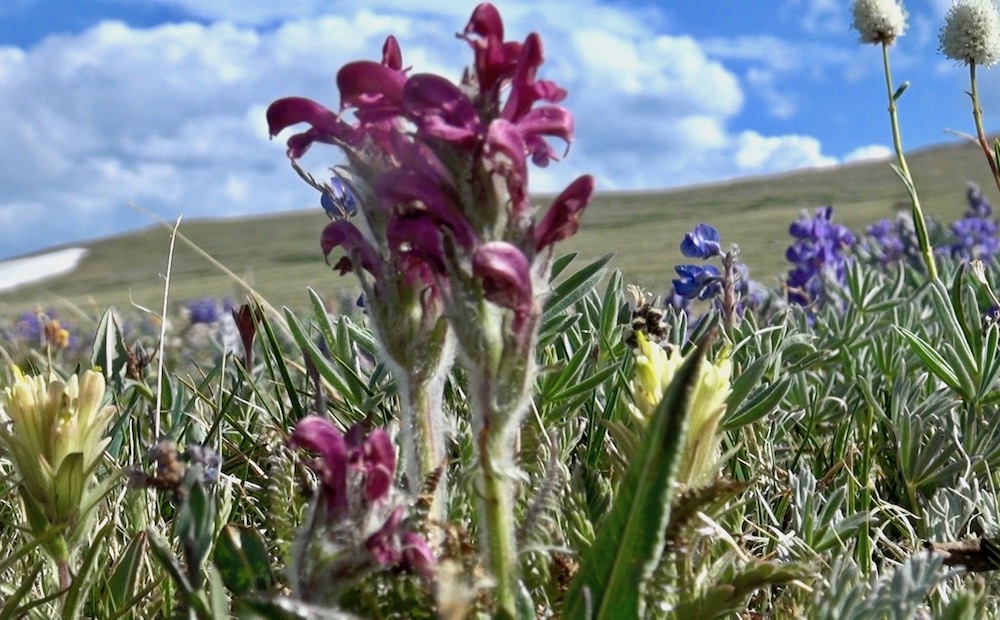
Lousewort

2019-09-23T16:28:24+00:00

a.k.a. betony, wood betony

The Shoshone used the leaves and stems of dried and powdered lousewort as an anti-inflammatory for stomachache, sore throat, and colds. Most indigenous people used the various species of lousewort mashed and applied fresh to swellings and bruises as well as open wounds to reduce inflammation and disinfect. It is antimicrobial.

Eaten raw the whole plant has a sedative effect and was used to calm down people who were excitable or hyperactive or to help with sleep problems. It is a cerebral and skeletal muscle relaxant so tension headaches and some forms of anxiety are helped greatly by the tea of this plant or even eating it as a salad green.

Side note: Louseworts in general are parasitic on neighboring plant roots. For this reason the taste can vary from very tasty to not good at all. This perhaps is why it is sometimes listed as a food and sometimes not. In addition, as parasitic plants they can sometimes pickup toxins from other hosts species such as lupines, delphiniums, or senecios, making them mildly toxic themselves.

Lousewort2019-09-23T16:28:24+00:00

Northern Bedstraw

2019-09-23T16:25:46+00:00

a.k.a. cleavers

Bedstraws of several related species produce a red or purple dye which many tribes extracted by boiling the roots.

As a medicinal tea, leaves and stems of the northern bedstraw were used for urinary tract problems. In Europe where bedstraw is called cleavers, the tea was taken to treat and prevent kidney stones and other urinary maladies.

The crushed stems and leaves are applied directly to any suppurating (oozing, pussy, ulcerated) skin condition. It is quite effective combined with crushed False Solomon’s Seal (Smilacina racemosa) against “sun bumps” (called lichenosis in Scotland), a common irritating skin condition of hikers in high mountain ranges.

Bedstraw was used in many parts of the world as mattress filler or bedding straw due to its habit of producing great quantities of sticky vine-like mats of interwoven stems that could be easily bundled in quantity, thus the name bedstraw.

It has been passed down through time that the straw in the manger in Bethlehem where the Christ child was born was a bedstraw (Galium verum) “lady’s bedstraw”.

Northern Bedstraw2019-09-23T16:25:46+00:00
Go to Top