Sticky Geranium

2019-09-30T17:55:48+00:00

An edible plant, sticky geranium was added to food as a spice to add a strong flavor or scent. The leaves were used topically for their soothing effect.

Being in the rose family its roots are astringent and were used as a powder for sores and nosebleeds. The powdered root infused in water was a treatment for bleeding wounds, sore eyes, and consumed as a tea for diarrhea. Most astringent roots are used in these ways.

Today hikers in the backcountry can use geranium roots (cleaned and dried) to treat bleeding wounds and diarrhea safely. It is a common plant in mountain zones and easy to identify.
Sticky Geranium2019-09-30T17:55:48+00:00

Willow

2019-09-23T16:22:54+00:00

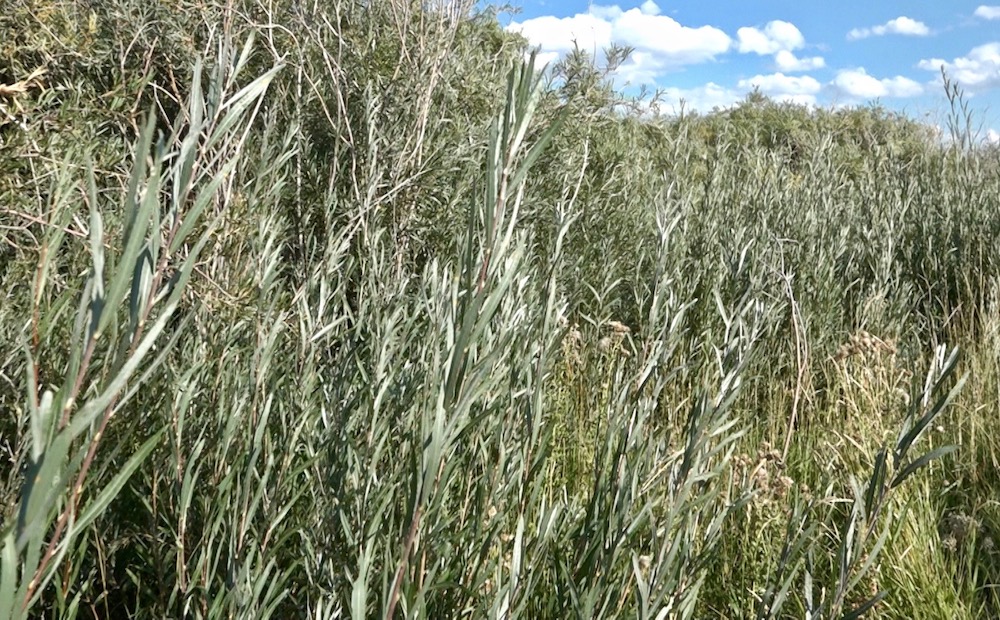
There are many species of willows. They were commonly used by indigenous people for many building and craft constructions such as sweat lodges, fish weirs, bullboat frames, sitting mats, sleeping mats, and structures to hold children onto a travois. Split willow sticks were used for basket frames. Willows have a flexible wood that is easily bent or split when freshly cut but dries hard and resilient.

The bark of some willows was a favorite basket weaving material for many tribes and also used to tie bundles of grass thatching or food plants or even to tie poultices on to fingers or limbs.

Medicinally, the inner bark (the moist, green inner portion of bark separated from the protective dry outer bark) is put into open wounds as an astringent anodyne (pain reliever).

The dried crushed inner bark is boiled and the tea used for colds, fever, arthritis, mouth sores, toothache, and general aches and pains.

The active chemical principle called salicin (named for the genus Salix) is the basis of modern day aspirin tablets used for the same purpose … an analgesic.

Willow2019-09-23T16:22:54+00:00

Wild Rose

2025-01-23T22:14:34+00:00

a.k.a. woods rose

There are several species of wild roses, but woods rose is the most common and widespread.  All of the species are used in the same way.

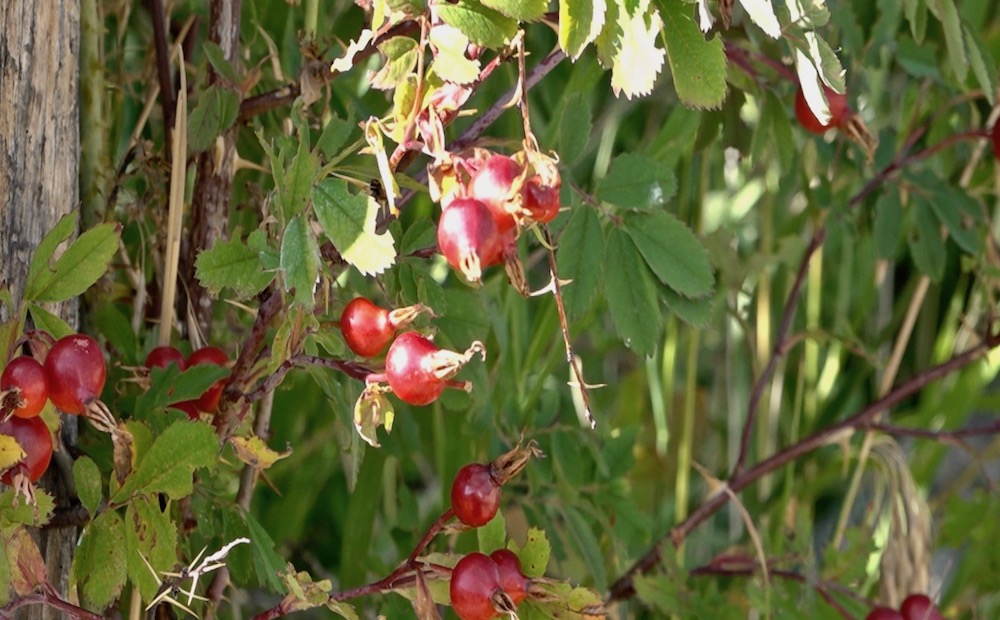
The rose flower is a symbol representing the Shoshone tribe in the Rockies and is traditionally depicted in beadwork and painted designs.  Rose petal tea, therefore, has special significance to them. It is a comforting tea said to be relaxing but also has medicinal properties.  Most tribes used this tea to treat diarrhea although the petals could be thrown into cooking for the same purpose. The tea was also used as a soothing eyewash for sore, red eyes.  The berries called rosehips were collected after freezing in the fall and dried for winter use as a subtle tasting tea for sore throat, and general good health as was the inner bark tea.

The Crow cut up the rosehips and mixed them into pemmican to make something like a meat-filled granola bar.  

The hips vary greatly in size and flavor depending on species and location, so people will have their favorite collecting areas.  Some hips are large and sweet, and some have virtually no flavor at all. Usually the hips are split open and the numerous seeds removed before using as food or for tea.

Rosehips are famously high in ascorbic acid (vitamin C) and bioflavonoids, essential nutrients for good health.

In this second video, John Mionczynski shows rose hips in the field. Used as both a vitamin rich supplement and medicinally, indigenous people also used a tea made from the bark as a treatment for snow blindness. The wood was also highly prized for making arrow shafts.

Wild Rose2025-01-23T22:14:34+00:00

Indian Paintbrush

2023-10-17T21:50:16+00:00

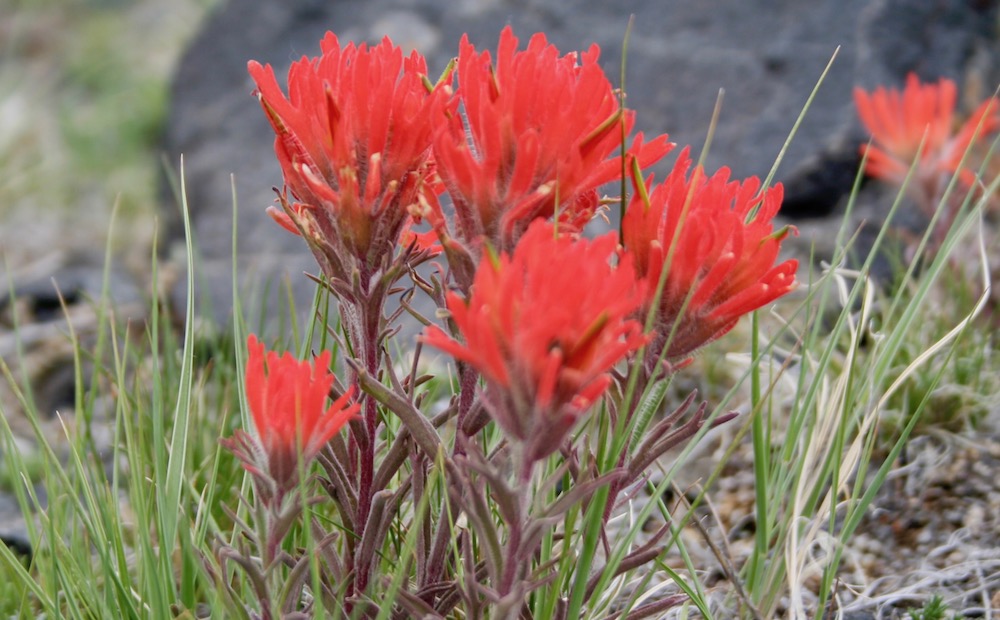
Indian paintbrush is the state flower of Wyoming.  Although most are red on top, some are yellow or orange.  The colorful parts of these plants are often thought of as flowers, but they are not!  The flowers are tiny. The brightly colored parts are called bracts, which surround the flower but are neither flowers nor leaves.  The large bracts are where most of the nutrition and medicinal properties are found. The top half of the plant is collected as a food, eaten fresh as a salad green or cooked.  These plants are slightly sweet when in bloom and a good source of the essential nutrients selenium, vitamin C (ascorbic acid), and bioflavonoid (carotenoids), necessary for vitamins to function in the body and strengthening for the heart and circulatory system.

In the Crow tradition these plants were crushed and put into open wounds or on any skin condition to promote healing.  Clinical studies have shown that the combination of nutrients found in paintbrush can shrink cancerous tumors.

There are over 50 species which vary greatly in color and size, from four inches to 16 inches tall.  Most are parasitic on the roots of other plants such as sagebrush upon which they rely for essential nutrients.

In this next video, John asks Grant Bulltail about how the Crow use Indian Paintbrush.

Indian Paintbrush2023-10-17T21:50:16+00:00

Fireweed

2019-11-13T06:50:46+00:00

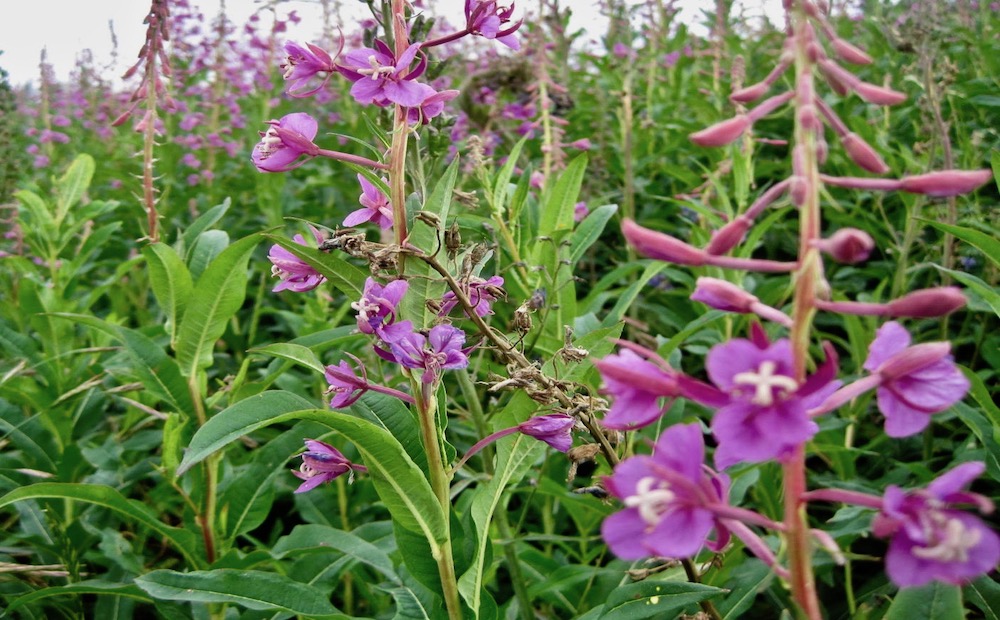
a.k.a. Epilobium angustifolium, great willow herb, rose bay

As a food fireweed leaves and flowers are cooked in soups and stews.  When young the leaves are eaten raw. Dried, the leaves and flowers are made into tea often to be consumed for any illness to aid in quick recovery, especially for stomach or intestinal inflammations.

It has been especially renowned for treating fungus and yeast infections both internally and topically, from yellow toenail fungus to candida infectionsFireweed decoctions (strong tea) are still used today.  The presence of the antioxidants quercetin and oenothein are responsible for fireweeds medicinal effect on fungal, yeast, and bacterial infections as well as antihistamine and anticancer benefits.  Flowers and leaves are used for any allergic symptoms or skin aberrations such as piles (hemorrhoids). The tea is also used to relieve persistent fatigue.

It is a superfood rich in vitamins C and A as well as bioflavonoids.  Some indigenous people added leaves and flowers to their dog’s food. The stem pith was used as a thickener for gravies, stews, soups, puddings and medicinal lotions and poultices.  In Russia a traditional tea of the rolled leaves is called Ivan Chai which is hailed by many tea drinkers as the best tasting tea ever!


Fireweed2019-11-13T06:50:46+00:00

Dogbane

2019-09-23T15:16:19+00:00

(a.k.a. Indian hemp)

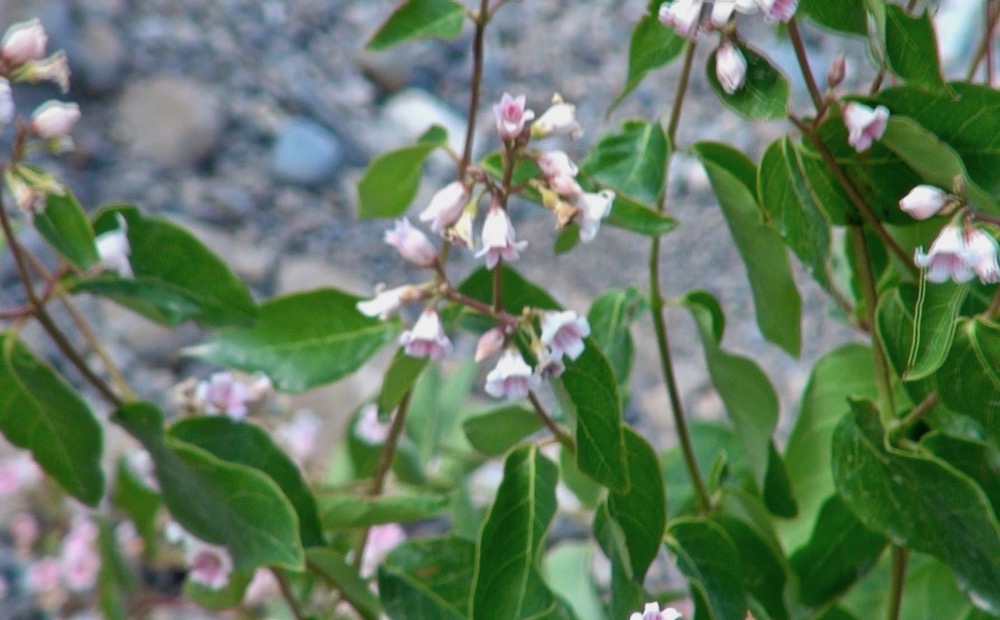
This potentially toxic medicinal plant is dangerous if used by people not familiar with its effects on the heart.  It slows the heart rate (pulse) while increasing the amplitude of the heart’s contractions. As a vasoconstrictor, dogbane increases blood pressure and circulation.  It is also a diuretic. Because of these effects, due to the presence of a cardiac glycoside called ouabain, the root of this plant has been used in indigenous medicine to treat a weak heart, swollen ankles, edema (accumulation of fluid in tissues), and kidney disease.

Indigenous peoples in North America and Africa have used plant extractions from related species to make poison arrows (the drug ouabain gets its name from the Somali word for poison arrow).  

In modern medicine ouabain obtained from plants is used like digitalis for congestive heart failure.  It slows the heart rate and strengthens the heartbeat. It is also used to treat low blood pressure, certain heart arrhythmias, and atrial fibrillation but cannot be used with beta blockers or ACE inhibitors (blood pressure) drugs.

As a counterirritant it has been used to stimulate hair growth.  Native people also made rope, durable cordage, and basketry from the boiled stems fibers.


Dogbane2019-09-23T15:16:19+00:00

Chokecherry

2023-10-17T22:00:11+00:00

(a.k.a. wild cherry)

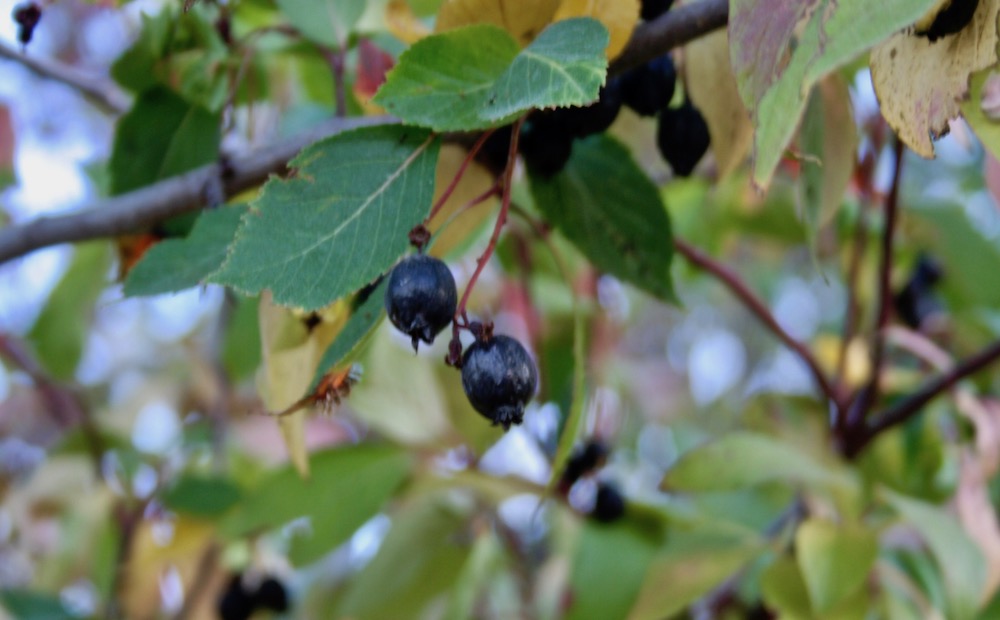
This plant occurs as a tree or large shrub depending on habitat.  In protected places like deep canyons and in the riparian zone where its “feet are wet” (roots always in water) this culturally important tree can grow as much as 20 feet tall or taller!  It was revered by all the tribes of the Rockies and short grass prairie for its food and medicine.

The pendant clusters of berries were collected in early Fall for year-round use, and the bark stripped from trunks and lower branches to be dried for winter use.  The dark purple fresh berries were mashed and ground with the hard seeds inside to make a gritty paste which was molded into small patties and sundried for several days.  These were then stored and later mixed with root flour and water and sometimes boxelder or maple tree sap to make a delicious pudding, or mixed with buffalo, elk, or deer meat to make pemmican.  Both were common staple foods of all the tribes from Mexico to Canada.

The dried inner bark was peeled away from the outer bark and used in tea for sore throats and winter illnesses in general.

The Shoshone cultural traditions still include the ancient annual chokecherry dance to honor the tree and its health-giving attributes.

Recent biomedical studies have shown chokecherry berries to be therapeutic for cardiovascular health and certain forms of cancer.

Side note:  It is believed that springtime bark collections may contain toxic levels of hydrogen cyanide.  Inner bark should be collected in mid-summer or later.

In this next video, John discusses with Grant Bulltail the chokecherry. They are picked and eaten raw, or dried for winter use. This versatile plant is central to the Crow way of life and has a variety of uses: the root addresses kidney problems; the bark is used for diarrhea. Strong and flexible, it’s limbs can be used for bows and arrows, or to make bullboats and hoops. When in bloom, chokecherry is mixed with the seeds of other plants and used as a fertilizer to grow tobacco for the Crow tribe’s Sacred Tobacco Society.

Chokecherry2023-10-17T22:00:11+00:00

Gumweed

2025-01-23T22:15:34+00:00

(a.k.a. rosinweed, resinweed, curlycup, curlycup gumweed, grindelia)

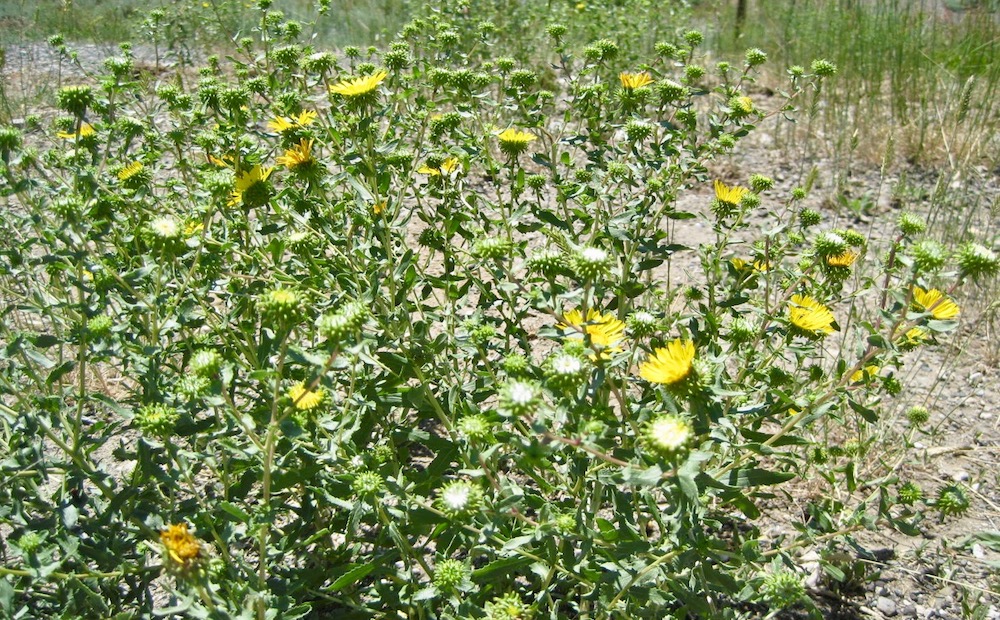
Often considered a roadside weed; gumweed is highly prized for its medicinal effects.  It has two primary avenues of healing:

  1. It is used to treat affections of the skin such as rashes, itches, and sores from poison ivy, insect bites, stings, and spider bites as well as allergic reactions and skin infections.  For this, the flower heads are used either directly applied to injuries or as a poultice in warm water.
  2. The leaves and roots are used as a tea or inhaled as a smudge to open the airways as a bronchial dilator in cases of asthma, allergies, pneumonia, and the common cold.

The widespread use of this plant by western tribes resulted in the listing of this plant in the U.S. Pharmacopeia (the compendium of officially recognized medicines in the United States) as a bronchodilator for bronchitis, asthma, and pneumonia.

The tea was also consumed for general health and strength as well as urinary infections.

The Crow’s (Apsaalooke) used the gumweed resin to stiffen their distinctive pompadours.

Gumweed is a selenium concentrator plant capable of concentrating the mineral selenium 500 times the soil concentration making small quantities of the leaves poisonous when growing in certain sedimentary soils.

Side note:  This plant can cause selenium poisoning when used indiscriminately.

Side note:  Like any plant in the sunflower family (Asteraceae) some people may be allergic to it.

In this next video, John Mionczynski and Melanie Smokey (Western Shoshone/Washoe) discuss more about the scientific basis for gumweed’s use as an immunity enhancer and as a treatment for bronchial congestion.

Gumweed2025-01-23T22:15:34+00:00

Pineappleweed

2019-09-23T15:14:00+00:00

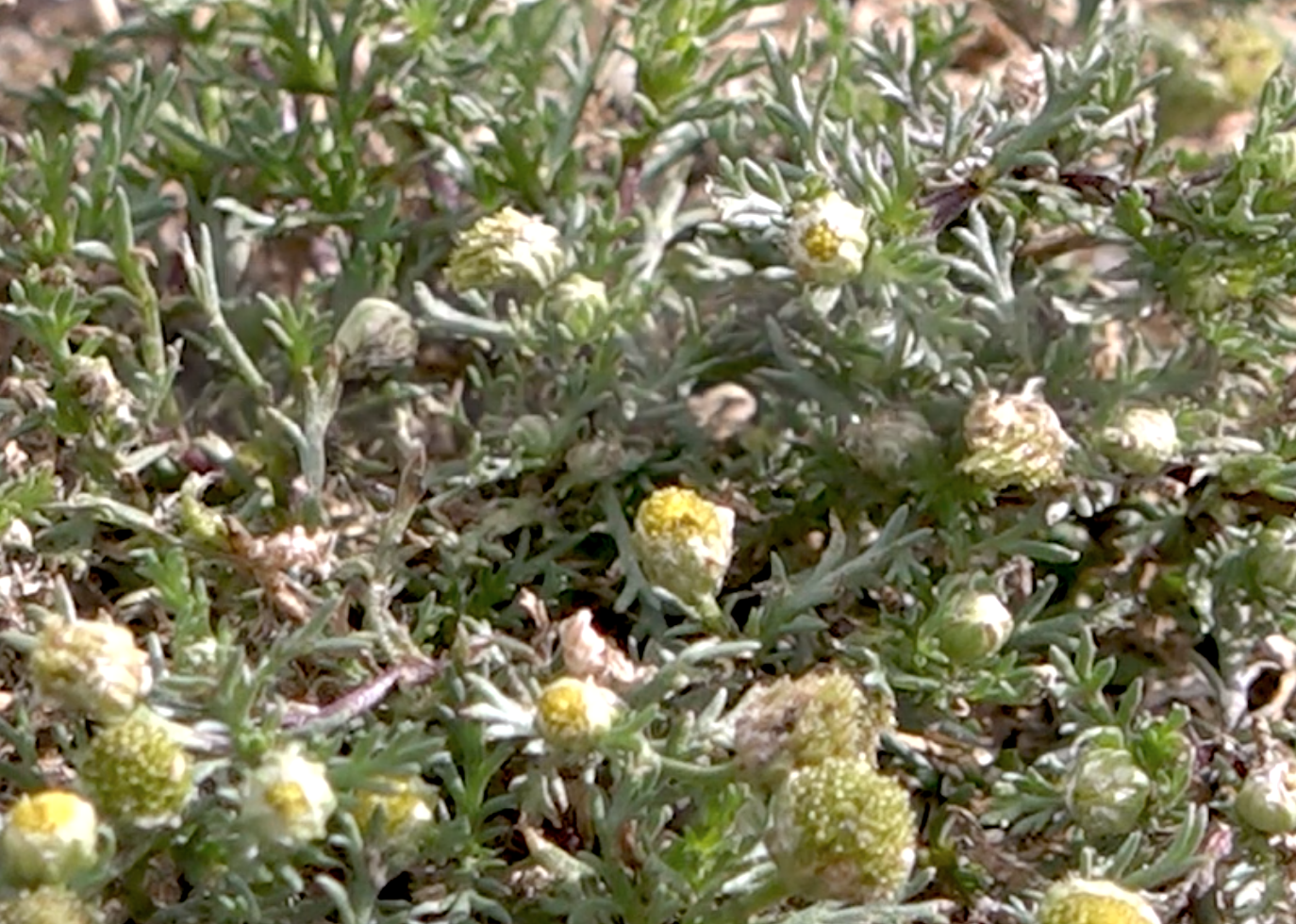
Pineappleweed (a.k.a. mayweed) makes a pleasant tasting tea any time of day. It is especially useful as a sleep aid at bedtime. The tea is a relaxing, calming drink safe enough to help babies go to sleep. Shoshoni cradleboards had special ties along the sides for small bundles of this sweet smelling herb.  Called Nuwa nadega (Indian perfume) by Shoshonis, it was braided into women’s hair and generally used as a fragrance.

A poultice of this herb pulls up foreign materials like splinters and metal fragments from under the skin.

Today, Chamomile, a close European relative, botanically and chemically, is widely used as a pleasant relaxing tea (Sleepy Time Tea’s primary ingredient).

Pineappleweed grows in the most heavily trodden ground, where other plants are absent such as parking lots, cracks in sidewalks, and horse trails, hence another Indian name “under the horses hoof”.

Side note: like any plant in the sunflower family (Asteraceae) some people may be allergic to it.

In this second video, John Mionczynski shows pineappleweed in the field. This tiny plant is related to its European counterpart German chamomile and commonly used as a relaxing tea.

Pineappleweed2019-09-23T15:14:00+00:00

Yarrow

2025-01-23T22:16:24+00:00

a.k.a. western yarrow, bloodwort

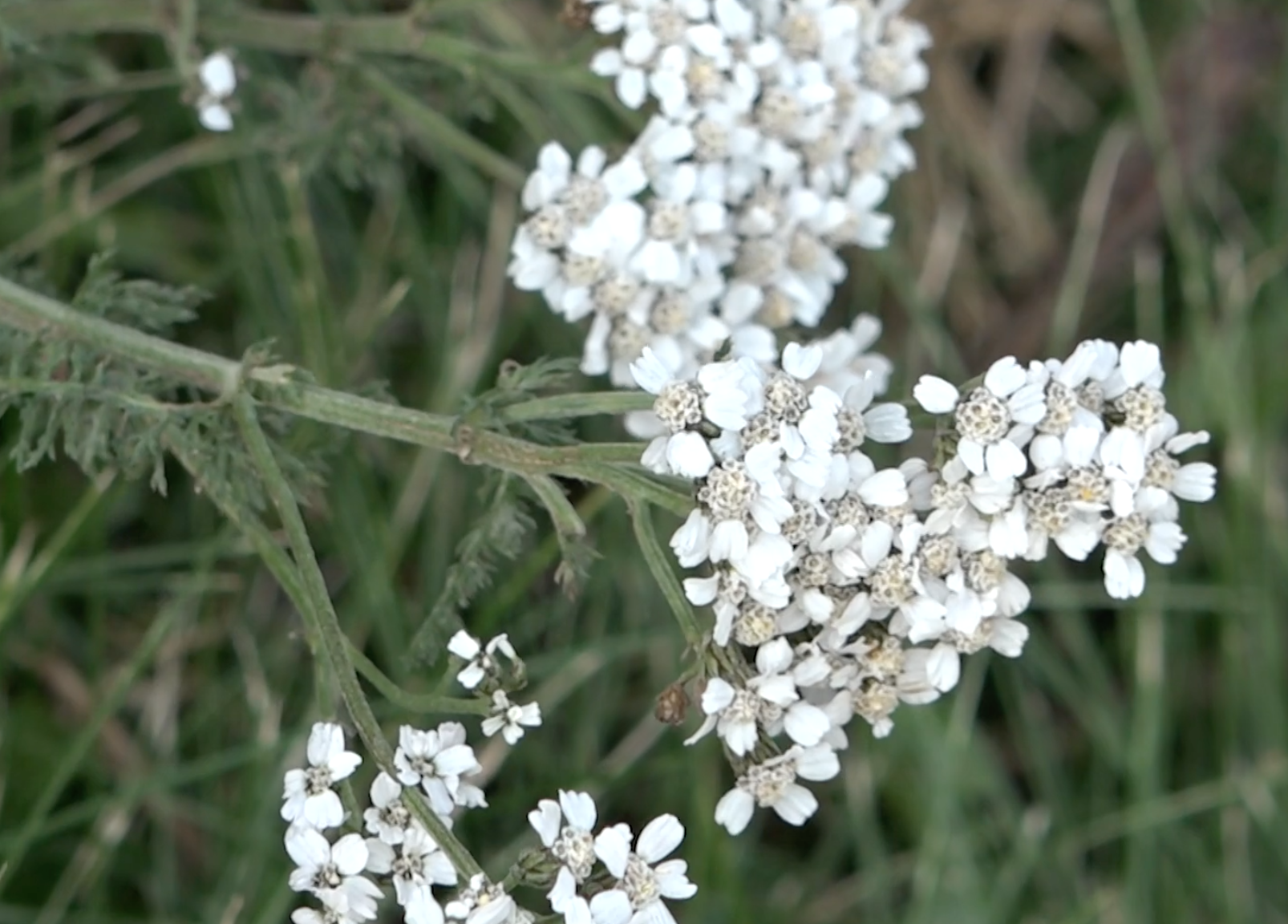
Yarrow has long been revered as one of the oldest medicinal plants in the world.  This wonderfully fragrant plant was recorded in ancient Chinese traditional medicine. In fact, its varied medicinal effects were recorded all over the world and in the oral histories of most of the Native American tribes.

It was collected before battles to stuff into open wounds to slow bleeding, relieve inflammation and pain and to disinfect.  The flowers and leaves were also drunk as tea for headache, menstrual problems, digestive distress, fever, hemorrhoids; the root for toothache and sore bleeding gums.  What more can you ask of what is otherwise a safe, pleasant tasting tea!                

Side notes:  the stems of yarrow in six inch lengths are used by the Chinese for I Ching an ancient form of divination.

Caution – although safe for most folks, some people are allergic to members of this family.  Always rub suspicious plants on wrist or sample in small quantities to test for reactions. Also the flat topped flower head (corymb) of yarrow superficially resembles the (umbel) flower head of two poisonous plants, Poison hemlock (Conium maculatum) and water hemlock (Cicuta sp.)  Be sure of your identification.

The Latin name Achillea refers to the Greek warrior Achilles who treated battle wounds of his soldiers with this plant hence the old obscure name “soldiers woundwort”.

In this next video, John Mionczynski & Melanie Smokey (Western Shoshone/Washoe) describe how yarrow is used as an ingredient in a Shoshone natural cough and cold remedy. The origins of its Achillea label is also revealed.

Yarrow2025-01-23T22:16:24+00:00
Go to Top